Revista Científica Medico Veterinária Petclube Cães Gatos - petclube

petclube

petclube

  • Maine Coon Breeders Kitten Amicats Coon Petclube USA Brasil

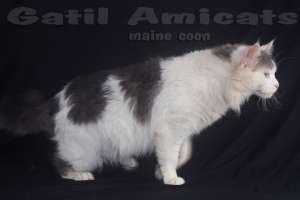
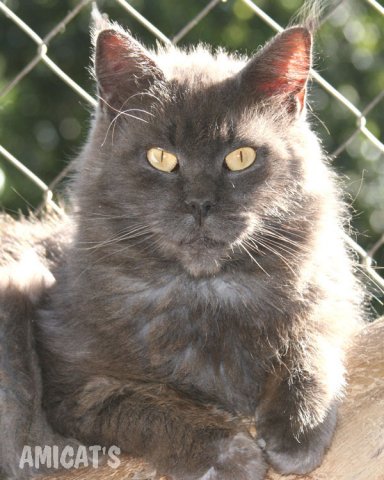
    Welcome to Amicats Coon Maine Coon Cattery. We're a Maine Coon Cattery that strives to breed & place quality well socialized AMICATS MAINE COON GIANT CATMaine Coon Kittens to loving homes. Our Maine Coon cats represent strong American bloodlines as well as European bloodlines.
    We value their feral look as well as their ability to understand human emotion, their clown like behavior, their intelligence, & their gentle personality. Oh, & let's not forget the companionship & assistance with all daily task & activities that this breed is known for.A 15% DEPOSIT is needed to RESERVE a kitten (unless previous arrangements have been made), we accept postal money orders & cash but do NOT accept personal checks. All kittens are generally ready to go to their forever home around 11 - 12 weeks of age & will already have three sets of vaccinations, two vet visits, a dose of Revolution (applied on the day they leave us), & at least three rounds of worming medications. We have worked really hard to make sure that everything in the best interest of our cats & KITTENS has been done to insure the life long health, happiness, & wellness of each & every AmicatsCoon.

    Information for all Amcats coon kitten/cat owners is routinely posted on the Face Book Page.
    Facebook https://www.facebook.com/petclube/

    ***NO BREEDING RIGHTS KITTENS WILL BE SOLD, KITTENS WILL ONLY BE SOLD AS PETS & A SPAY/NEUTER/NO DE-CLAW AGREEMENT MUST BE SIGNED***

    ~~~~~~~~~~~KITTEN CARE~~~~~~~~~~~
    Now that you've finally found your kitten it's time to prepare for his or her arrival. There are items that need to be purchased, a little cat proofing to be done, & decisions that need to be made ahead of time so that your kitten's homecoming goes smoothly & is as stress free as possible.


    Schedule An Appointment With
    Your Veterinarian

    Your kitten will need to be examined by your veterinarian within 48 hours of leaving our care (as stated on the sales contract) or the health guarantee will be void. A HEALTH INFORMATION SHEET will be provided for your kitten detailing the vaccinations given, dewormer medications administered, & any flea protection applied (we use REVOLUTION). Please make sure to give this sheet to your veterinarian so he or she can continue to provide your kitten with the quality healthcare he or she is accustomed to.


    Purchase Kitten Food

    Your kitten has been eating high Premium. We did lots of research on what kittens & cats need in their diets to maintain exceptional health & avoid Feline Urinary Tract Disease (FLUTD). A feline diet that is too high in carbohydrates & magnesium, and low in protein can lead to FLUTD. The challenge was to find a cat & kitten food that was appealing to all of our maine coons, that contains the proper amount of protein & magnesium, & has no by products.


    Purchase Stainless Steel Bowls
    & or Water Fountain

    Your kitten has been eating & drinking out of stainless steel bowls. Why stainless steel - stainless steel does not absorb smells, does not stain, & is easy to clean & disinfect....plus your kitten will be less likely to chew on stainless steel bowls than plastic, & they will not break like glass or ceramic either. Our older cats enjoy their stainless steel water fountain. Please remember that Maine Coons love water & a fountain will provide countless hours of entertainment & enjoyment for your kitten.


    Purchase A Litter Box & Litter

    Your kitten has been using an open pan litter box with. We prefer open pan litter boxes because we scoop at least two times a day & like the ease of access. All of our maine coon's litter boxes (kitten litter boxes are in the nursery) are housed on our screened potty porch that they access through a cat/dog door so we really do not have a need for the litter boxes with tops, hoods, & or covers for out maine coon cats. However, we do use a modified type of litter box (that's covered) in the nursery that allows kittens to access & mom no entry - our kittens use the modified litter box until they're about 8 or 9 weeks of age. Then they graduate to an open pan litter box that's placed in an area only they can access. Should you choose a covered litter box remember to scoop it regularly & know that it can trap humidity as well as the smelly odor that your cat might find undesirable - which could lead to him or her pottying somewhere else. Cats & kittens tend to like what they are use to as far as litter is concerned. We're back to using Tidy Cats Instant Action Scoopable Litter after using pine pellets for a while.....mainly because of time constraints. Pine pellats are fine to use. Remember, if your cat or kitten is not happy with the litter box for any reason he or she might be inclined to potty else where. NOTE: cats/kitttens prefer litter boxes & digging so if they potty else where they're trying to tell you something!! Litter boxes & litter are personal choices just make sure your kitten agrees with your choice. :)


    Grooming Supplies

    Your kitten will need just a few grooming tools like a metal comb, a brush, a dematting rake, & cat nail clippers. Remember de-clawing is NOT an option (as per our sales contract), so please purchase the nail clippers & keep your kittens nails clipped.


    Cat Trees, Scratching Post, Puzzles,
    & Toys

    Maximize your kittens health through play. Cat trees, cat towers, & tall scratching post will allow your kitten to get the stretching they need & also give them a SAFE place to go during their rest time. Puzzle toys can be used to dispense food slowly throughout the day, requiring your kitten/cat to solve the puzzle to get rewarded with a food treat. Interacting daily with your kitten will help your kitten not only maintain a healthy body but a healthy mind too. Stress can develop when a kitten's environment is not similar to their natural environment & play helps minimize some of the key differences & stress points.
    Your home is about to become a wonderland for your kitten. Please take the time to tidy up & remove any unnecessary power cords & unplug exposed cords of electronics that aren't in use so that your kitten won't be tempted to chew on them. Keep laptops, cell phones, ear plugs, eye glasses, belts, handbags, shoes, etc. picked up too because so many items that most homeowners leave out on a regular basis can & will become items of interest to your kitten. Also, take the time to make sure any toxic products & plants are removed from you home. The following items need to be removed or at least put in a place (locked away) that your cat can not access: acetaminophen, batteries, chocolate, raisons, grapes, currants, onions, leeks, chives, garlic, macadamia nuts, xylitol (sugar free sweetener found in chewing gum, breath mints, & toothpaste), unbaked bread dough, yeast, detergents, household cleaners, bleach, lysol, windshield wiper fluid, antifreeze, insecticides, herbicides, rodenticides, fertilizers, kerosene, de-icing salts, aloe, azaleas, chrysanthemums, marijuana, mistletoe, poinsettia, rhododendron, tulips, jimson weed (devil's trumpet), lillies, sago palms, tobacco, mothballs, & zinc (metal & coins). These household items can possibly choke or strangle your kitten: chicken bones, dental floss,
    Q-tips, yarn, string, holiday decorations (including lights & tinsel), & toys with small movable parts.

  • Maine Coon Breeders Petclube USA Kitten Best Bigger Super Maine Coon Brasil

    Bigger largest Suer Maine CoonPetclube

    Facebook https://www.facebook.com/petclube/

    We can offer you best maine coon kittens of different colors!

    We located Juquitiba SP Brazil
    Adult Maine Coon cat weigh between 7 and 12 kg, more elegant cat can weigh from 4 to 6 kg. Generally, these cats grow quite slowly and reach maturity only by 3-4 years. Maine Coons are of SLH group and their hair deserves special attention, especially the tail! Short hair on the head, shoulders and limbs becomes progressively longer to the bottom and sides. The long shaggy hair on the stomach and pants, lush flowing hair on the tail, such thick hair looks like a collar. This coat is a boa, which can protect the cat from snow, rain and wind. And yet it is surprisingly silky by touch and shiny. Who has ever stroked these cats will never forget such a pleasant feeling. A long strong and muscular body makes the animal very maneuverable; they have strong and long legs. Long tufts of hair between the toes help them walk on snow without sinking. There are brushes at the ends of the ears, making it look like a lynx.

    Many people incorrectly name this breed as mainecoone, maicoon, meykun, minecoon or even maycoon :). During the meal, Coon uses his paws as a spoon. Before they start drinking, they beat their paws in the water and rake it. It is believed that this is the instinctive action of the wild times when they broke through the ice before drinking water. So only adult cats do and Maine Coon kittens drink water ordinary. Describing the nature of the cat, it's hard to be objective.

    Maine Coon looks like a wild tiger but with good character, great temperament, they are very intelligent and self-confident. He is the ideal companion for the whole family.

    The Maine Coon is among the largest domesticated breeds of cats. It has a distinctive physical appearance and valuable hunting skills. It is one of theoldest natural breeds in North America, specifically native to the state of Maine,where it is the official state cat.

    Although no records exist regarding the Maine Coon's exact origins and date of introduction to the United States, there are multiple competing theories. The breed was popular in cat shows in the late 19th century, but its existence became threatened when long-haired breeds from overseas were introduced in the early 20th century. The Maine Coon has since made a comeback and is now one of the most popular cat breeds in the world.

    The Maine Coon is a large and sociable cat, hence its nickname, "the gentle giant". It is characterized by a robust bone structure, rectangular body shape, a silky flowing coat and a long, bushy tail. The breed's colors vary widely, with only lilac and chocolate disallowed for pedigree. Reputed for its intelligence and playful, gentle personality, the Maine Coon is often cited as having "dog-like" characteristics Professionals notice certain health problems in the breed including feline hypertrophic cardiomyopathy and hip dysplasia, but reputable breeders use modern screening methods to minimize the frequency of these problems.


    The ancestral origins of the Maine Coon are unknown — there is only speculation and folk tales. One such folk tale involves Marie Antoinette, the Queen of France, who was executed in 1793. The story goes that before her death, Antoinette attempted to escape France with the help of Captain Samuel Clough. She loaded Clough's ship with her most prized possessions, including six of her favorite Turkish Angora cats. Although she did not make it to the United States, her pets safely reached the shores of Wiscasset, Maine, where they bred with other short-haired breeds and developed into the modern breed of the Maine Coon.

    Another folk tale involves Captain Charles Coon, an English seafarer who kept long-haired cats aboard his ships. Whenever Coon's ship would anchor in New England ports, the felines would exit the ship and mate with the local feral cat population. When long-haired kittens began appearing in the litters of the local cat population, they were referred to as one of "Coon's cats".

    A myth which is trait-based, though genetically impossible,[8] is the idea that the modern Maine Coon descended from ancestors of semi-feral domestic cats and raccoons. This myth is likely based on the common color of the breed (brown tabby) and its bushy tail.[9] Another idea is that the Maine Coon originated between the matings of domestic cats and wild bobcats, which could explain the tufts of hairs that are so commonly seen on the tips of the ears.[7]

    The generally accepted theory among breeders is that the Maine Coon is descended from the pairings of local short-haired domestic cats and long-haired breeds brought overseas by English seafarers (possibly by Captain Charles Coon) or 11th-century Norsemen.[9][10] The connection to the Norsemen is seen in the strong resemblance of the Maine Coon to the Norwegian Forest Cat, another breed that is said to be a descendant of cats that traveled with the Norsemen.[11][12]

    Cat shows and popularity

    Cosey, winner of the first cat show in the United States, 1895
    The first mention of Maine Coons in a literary work was in 1861, in Frances Simpson's The Book of the Cat (1903). F.R. Pierce, who owned several Maine Coons, wrote a chapter about the breed.During the late 1860s, farmers located in Maine told stories about their cats and held the "Maine State Champion Coon Cat" contest at the local Skowhegan Fair.[7]

    In 1895, a dozen Maine Coons were entered into a show in Boston. On May 8, 1895, the first North American cat show was hosted at Madison Square Garden in New York City. A female Maine Coon brown tabby, named Cosey, was entered into the show. Owned by Mrs. Fred Brown, Cosey won the silver collar and medal and was named Best in Show.[14] The silver collar was purchased by the Cat Fanciers' Association (CFA) Foundation with the help of a donation from the National Capital Cat Show. The collar is housed at the CFA Central Office in the Jean Baker Rose Memorial Library.[7]

    In the early 20th century, the Maine Coon's popularity began to decline with the introduction of other long-haired breeds, such as the Persian, which originated in the Middle East. The last recorded win by a Maine Coon in a national cat show for over 40 years was in 1911 at a show in Portland, Oregon. The breed was rarely seen after that. The decline was so severe that the breed was declared extinct in the 1950s, although this declaration was considered to be exaggerated and reported prematurely at the time. The Central Maine Cat Club (CMCC) was created in the early 1950s by Alta Smith and Ruby Dyer in attempts to increase the popularity of the Maine Coon. For 11 years, the CMCC held cat shows and hosted exhibitions of photographs of the breed and is noted for creating the first written breed standards for the Maine Coon.

    The Maine Coon was denied provisional breed status—one of the three steps required for a breed not yet recognized by the CFA to be able to compete in championship competitions[15]—by the CFA three times, which led to the formation of the Maine Coon Cat Club in 1973. The breed was finally accepted by the CFA under provisional status on May 1, 1975, and was approved for championship status on May 1, 1976. The next couple of decades saw a rise in popularity of the Maine Coon, with championship victories and an increase in national rankings. In 1985, the state of Maine announced that the breed would be named the official State Cat.[16] Today the Maine Coon is the third most popular cat breed, according to the number of kittens registered with the CFA.

    Breed description

    Sitting, relaxed and confident. Note the wolf-style tail and paws like hand-paddles
    Maine Coons are the largest breed of domestic cat. Males weigh from 13 to 18 lb (5.9 to 8.2 kg) with females weighing from 8 to 12 lb (3.6 to 5.4 kg).[18] The height of adults can vary between 10 and 16 in (25 and 41 cm) and they can reach a length of up to 48 in (120 cm), including the tail, which can reach a length of 14 in (36 cm)[19] and is long, tapering, and heavily furred, almost resembling a raccoon's tail. The body is solid and muscular, which is necessary for supporting their own weight, and the chest is broad. Maine Coons possess a rectangular body shape and are slow to physically mature; their full potential size is normally not reached until they are three to five years old, while other cats take about one year.

    In 2010, the Guinness World Records accepted a male purebred Maine Coon named "Stewie" as the "Longest Cat" measuring 48.5 in (123 cm) from the tip of his nose to the tip of his tail. Stewie died February 4, 2013, from cancer at his home in Reno, Nevada, at age 8. Large Maine coons can overlap in length with Eurasian lynxes, although with a much lighter build and lower height.

    The Maine Coon is a longhaired, or medium-haired, cat. The coat is soft and silky, although texture may vary with coat color. The length is shorter on the head and shoulders, and longer on the stomach and flanks with some cats having a lion-like ruff around their neck. Minimal grooming is required for the breed, compared to other long-haired breeds, as their coat is mostly self-maintaining owing to a light-density undercoat. The coat is subject to seasonal variation with the fur being thicker in the winter and thinner during the summer.


    A Maine Coon kitten at three days old

    Cream shaded Maine Coon
    Maine Coons can have any colors that other cats have. Colors indicating crossbreeding, such as chocolate, lavender, the Siamese pointed patterns or the "ticked" patterns, are not accepted by some breed standards (the 'ticked' pattern, for example, is accepted by TICA).The most common pattern seen in the breed is brown tabby.All eye colors are accepted under breed standards, with the exception of the occurrence of blue-colored or odd-eyes (i.e. two eyes of different colors) in cats possessing coat colors other than white.

    Maine Coon silver tabby
    Maine Coons have several physical adaptations for survival in harsh winter climates. Their dense water-resistant fur is longer and shaggier on their underside and rear for extra protection when they are walking or sitting on top of wet surfaces of snow or ice.[26] Their long and bushy raccoon-like tail is resistant to sinking in snow, and can be curled around their face and shoulders for warmth and protection from wind and blowing snow and it can even be curled around their backside like an insulated seat cushion when sitting down on a snow or ice surface.[27] Large paws, and especially the extra-large paws of polydactyl Maine Coons,[28] facilitate walking on snow and are often compared to snowshoes.[26] Long tufts of fur growing between their toes help keep the toes warm and further aid walking on snow by giving the paws additional structure without significant extra weight.[27] Heavily furred ears with extra long tufts of fur growing from inside help keep their ears warm.


    Maine Coon kitten at 75 days old
    Many of the original Maine Coon cats that inhabited the New England area possessed a trait known as polydactylism (having one or more extra toes on the feet).[26] While some sources claim that trait is thought to have occurred in approximately 40% of the Maine Coon population in Maine at one time, little evidence has been given to substantiate this claim.[29] Polydactylism is rarely, if ever, seen in Maine Coons in the show ring since it is unacceptable by competition standards.[30] The gene for polydactylism is a simple autosomal dominant gene,[31] which has shown to pose no threat to the cat's health.[32] The trait was almost eradicated from the breed due to the fact that it was an automatic disqualifier in show rings.[33] Private organizations and breeders were created in order to keep polydactylism in Maine Coons from disappearing.

    Maine Coons are known as the "gentle giants"[4] and possess above-average intelligence, making them relatively easy to train.[3] They are known for being loyal to their family and cautious—but not mean—around strangers, but are independent and not clingy. The Maine Coon is generally not known for being a "lap cat" but their gentle disposition makes the breed relaxed around dogs, other cats, and children. They are playful throughout their lives, with males tending to be more clownish and females generally possessing more dignity, yet both are equally affectionate.[26] Many Maine Coons have a fascination with water and some theorize that this personality trait comes from their ancestors, who were aboard ships for much of their lives.[5] Maine Coons are also well known for being very vocal cats. They are known for their frequent yowling or howling, trilling, chirping, and making other loud vocalizations.

    Diet
    Maine Coons require ample protein and nutrients in their diets. Since they are a large cat breed with high levels of energy, it is best to feed them quality food. Their dietary needs are fulfilled with both dry food and wet food. However, the wet food should be mixed in with the dry food only 2-3 times a week. Feeding the cat with quality dry food can reduce tartar build up on the teeth. Avoid grain based foods. A cat's natural diet does not contain grain and grain can also lead to obesity in cats. Maine Coons should not eat food that lists soy or some grains as the first ingredient on the label. Food that lists meat as the first ingredient is best for the Maine Coon. Cats can develop allergies from plastic bowls, so it is best if they eat out of a glass or stainless steel bowl

    Health

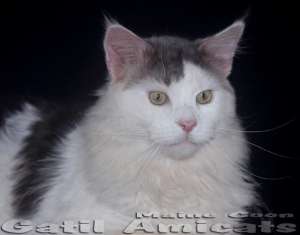
    An all-white Maine Coon

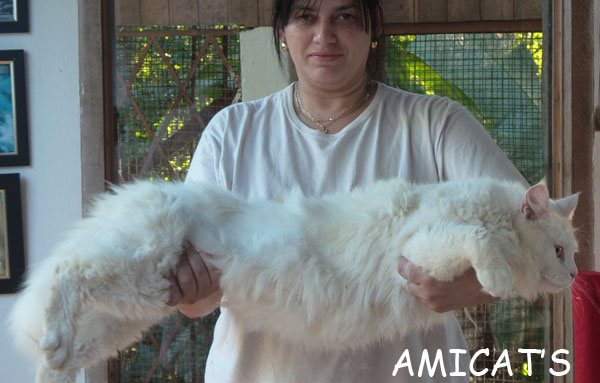
    A large Maine Coon
    Pet insurance data obtained from a study during years 2003–2006 in Sweden puts the median lifespan of the Maine Coon at >12.5 years. 74% lived to 12 years or more and 54% lived to 16.5 years or more.[36] Maine Coons are generally a healthy and hardy breed and have adapted to survive the New England climate. The most severe threat is feline hypertrophic cardiomyopathy (HCM), the most common heart disease seen in cats, whether pure bred or not. In Maine Coons, it is thought to be inherited as an autosomal dominant trait. Middle-aged to older cats as well as males are thought to be predisposed to the disease.[37] HCM is a progressive disease and can result in heart failure, paralysis of the hind legs due to clot embolization originating in the heart, and sudden death.[38] A specific mutation that causes HCM is seen in Maine Coons for which testing services are offered.[39] Of all the Maine Coons tested for the MyBPC mutation at the Veterinary Cardiac Genetics Lab at the College of Veterinary Medicine located at Washington State University, approximately one-third tested positive.[40] Not all cats that tested positive will have clinical signs of the disease and some Maine Coon cats with clinical evidence of hypertrophic cardiomyopathy test negative for this mutation, strongly suggesting that a second mutation exists in the breed. The HCM prevalence was found to be 10.1% (95% CI 5.8 -14.3 % ) in this study

    Another potential health problem is spinal muscular atrophy (SMA), another genetically inherited disease which causes the loss of the spinal-cord neurons which activate the skeletal muscles of the trunk and limbs. Symptoms are normally seen within 3–4 months of age and result in muscle atrophy, muscle weakness, and a shortened life span. A test is offered to detect the genes responsible for SMA

  • MAINE COON GATO GIGANTE FILHOTES MAINECOON PREÇOS

     Gatil Maine Coon Petclube Cattery Sustentável - Gatos Gigantes XXL:

     Visita ao Paraíso Natural de Gatos Gigantes Maine Coon XXL também conhecido como Monster Cat Big Cat 
    - Criam gatos gigantes Maine Coon para companhia, exclusivamente castrados, com pedigree e garantias em contrato de compra e venda.
    - Os filhotes mainecoon estão disponíveis para venda, com preços parcelados e pronta entrega. Gatos Grande e testados,linhagem USA e Europa
    - Agende conhecer pessoalmente os gatos gigantes de verdade, maiores que a maioria, em um local lindo em meio à Floresta Atlântica.

  • Maine Coon Kitten IPC Registered Maine Coon Breeders Maine Coon Cattery

    Maine Coon Breeding large, healthy, well socialised

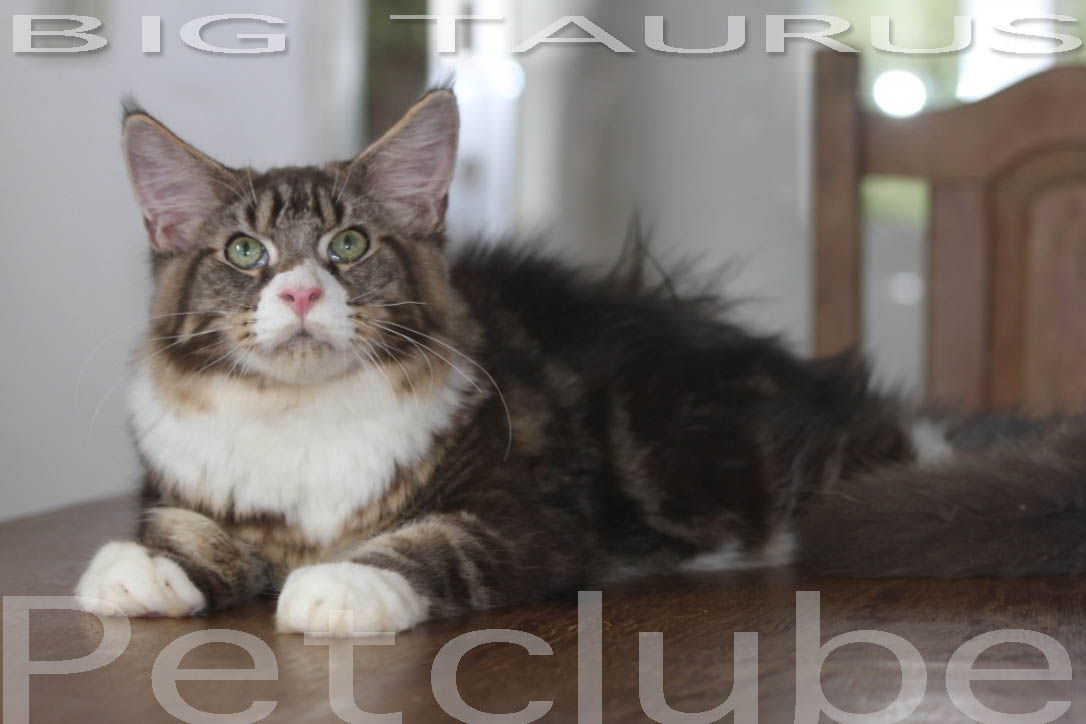
    Taurus Bigger Maine Coon Petclube In World 7 months 10kg


    .


    Petclube Kattery "Big Taurus House"
    Petclube® Gatos-Gigantes Mainecoon,Bengal,Ragdoll,Exotic Persian & Mini Gato Toycat -(novidade)
    Criação Gatos com Certificação IPC Registry 
    F:(11)98485-4545 whatsapp hc F(11) 96393-1128 Dr Gabriel 

    Kittens leave at 14 weeks litter trained, wormed, vaccinated, pedigree registered and de-sexed.

    " To be Touched by a Maine Coon is to Feel it with Your Heart"
    Registered Maine Coon Breeders

    We breed for quality not quantity

    Kittens sometimes available
    Breeding gorgeous massive healthy cats with lots of personality

    We are a small cattery and all our cats live indoors with us

    Show and pet kittens often availableOne Maine Coon is Never enough!!
    We learnt this very fast
    Now we breed these gentle giants
    so that others can receive the love they giveMaine Coons are large, lounge around, happy, gentle, very intelligent, fun loving felines.
    They're often described as the "Golden Retriever" or "Gentle Giant" of the cat world.
    It's also widely acknowledged that one is never enough !

    We recommend that your Maine Coon be kept indoors, with access to a safe, fully enclosed safe environment.
    We believe that cats are like our children and allowing them to roam unsupervised puts them at great risk from dog attacks, snake bites, car accidents and remembering also that some people are just not cat people and can be quite aggressive if they find cats on their property.
    There is of course also the fact that the many cat lovers out there would see a beautiful Maine Coon on the street, and thinking they were doing the right thing, simply take it home themselves to love and adore.

    All of these and more are purrfect reasons to make sure your cats are safe and sound at all times!


    If you would like more information
    call us on  whatsapp 5511 98485 4545 Brazil hc thanks

    The breeders below are all members of WFC, IPC REGISTRY & TICA's . When you visit their cattery website, look for the IPC Online Breeders logo.The breeders you find listed here are IPC Petclube members who have signed the IPC Code of Ethics. Since we are a large association we do not have the resources to visit each of the listed catteries before linking to their website. Please read our information about Adopting a Cat or Kitten before visiting a breeder.See your cattery listed here or renew your current listing! Find out how.Have you registered your cattery name? Check if it is available!IPC INternational Pet offers breeders, businesses and other advertisers the opportunity to promote their cattery, product or services.

    Maine Coon Cattery with Maine Coon Kittens for Sale

    Many photos of Maine Coon Cats, Kittens, and Breeding Cats Gallery

    Maine Coon Health, Genetic Testing, Cattery Tour, Color and Pattern Descriptions, Kitten Rearing, CFA Cattery of Excellence, and Helpful Tips for New Maine Coon Owners.

    Largest Domestic Feline!
    Maine Coons are considered the largest of the domestic felines. Some neutered males can reach almost 30lbs!
    Average size varies for a male from 15-24lbs, but also larger than average is often the case.
    Females although smaller than the males, can often get as large ast 16-17lbs, but taking longer to reach that adult size.
    The males seem to grow and quick rates and even yearlings are in the double digits, with adult size generally being reached at around 5 years old.
    Considered the Gentle Giants of the cat world, Maine Coons are gentle, and doglike in nature.
    They much prefer to be where the action is, and if you have small children expect your PetclubeCoon to be right in the mix!
    As seen on You Tube, below is a sample of our PetclubCoon Maine Coons in video!


    Where did Maine Coons come from?
    Although of unknown origin, Maine Coons were found as barnyard cats in Northeast USA, hence the name Maine Coon.
    The Coon part comes from the chirping sound similar to a raccoons voice, and their love of water.
    Also typical of a Raccoon, although breeding between cats and raccoons is genetically impossible.
    Maine Coons are impressive with those gorgeous tips on the ears, rumored to have come from crossing with the North American Lynx, resulting in Lynx Tips!
    And with tufts of hair between the toes, adapting them to a climate befitting this rugged cat that can walk on snow.
    At Petclubcoons we strive for that wild rugged look in our kittens and cats!
    big brown tabby maine coon male stud cat


    maine coon poly toed kitten showing off big feet
    Maine Coon Poly Toe!
    What about those toes! Where did they get all those toes?
    The Poly Gene which produces the multi toed foot is in many breeds of cats including Maine Coons and non-pedigreed cats.
    We here at Petclubcoons love the Poly Toes, and know many of you also love these big snow shoe feet!
    They pose no health concerns, other than a claw that may need to be trimmed more often.

  • MAINE COON NÃO TEM DOAÇÃO VENDA MAINE COONS Gatos Gigantes Videos Fotos Filhote

    SUPER GATOS GIGANTES AMI Petclube Coons CAT
    Gatil Criadores Maine Coons Petclube Conns Cat
    Petclube® Gatos-Gigantes Mainecoon,Bengal,Ragdoll,Exotic Persian & Mini Gato Toycat -(novidade)
    Criação Gatos com Certificação IPC Ecologicamente CorretaApenas 45-50 min. do Morumbi/ granja Viana em São Paulo, caso venha do Rio de Janeiro passe pelo rodoanel é muito mais rápido.
    Envie whatsapp agora, retorno c/ fotos e preços dos filhotes de gatos 
    +55 (11) 98485-4545 /
    +55 (11) 96372-9323
    Gatil Maine Coons Facebookhttps://www.facebook.com/petclube/
    Agradecemos o interesse na Criação Ecológica Petclube Camp.
    Fazemos a comercialização de Gatos Gigantes, exclusivamente para Estimação e Companhia,Castrados, Everminados e Facilitando a Preservação da Mata Atlântica.
     
    Conseguir doação de um gato gigante puro, filhote, é algo impossível.
    Encontrar um doador de Maine Coon puro e saudável, filhotinho, fofinho, não parece tão fácil no Brasil, pois a criação ainda é nova e a popularização da raça ainda não se sucedeu, como por exemplo no gato persa ou no caso dos cães como o pitbull.
    Há custos envolvidos no processo de criação que muitas vezes o entusiasta desconhece, onde até mesmo os parentes ou pessoas mais próximas de um criador que por ele são presenteadas, acabam tendo que ajudar com os gastos essenciais de vacinas e castração para serem agraciadas com um legítimo exemplar.
    Encontrar alguém querendo se desfazer de um Maine Coon acaba se tornando uma aventura incerta.
    Caso o seu interesse seja apenas em adotar algum gato que seja apenas parecido com o Maine Coon autêntico, sugerimos adoções feitas diretamente com protetores e entidades relacionadas, que possuem gatos lindos e saudáveis para doação, disponíveis justamente a procura de um dono. 
    Onde Comprar um filhote de Maine Coon e como escolher o filhote da raça gigante??
    Gatil Premiado Petclube
    Petclube® Gatos-Gigantes Mainecoon,Bengal,Ragdoll,Exotic Persian & Mini Gato Toycat -(novidade)
    Criação Gatos com Certificação IPC Ecologicamente Correta
    @petclubeamigo Apenas 45-50 min. do Morumbi/ granja Viana em São Paulo, caso venha do Rio de Janeiro passe pelo rodoanel é muito mais rápido.
    Fazemos a comercialização de Gatos Gigantes, exclusivamente para Companhia, Facilitando a Preservação da Mata Atlântica.
    Filhotes de Gato Gigante Maine Coon Ragdoll Bengal Persa Exótico
    PETCLUBE COONS CATS possui linhas de sangue consagradas mundialmente com lindos Filhotes par venda de maine coon, ligue agora no wthasapp 11 98485 4545-SP (hc), e agende sua visita para escolher seu maravilhoso filhote de gato da raça maine coon gigante!!!

    TV PETCLUE mainecoon

    Assista filme com Maine Coon Gigante, Moderno com muita massa muscular, grande, pesado, Gatil 

    • MAINE COON É BOM PARA CRIANÇAS VÍDEO PETCLUBE @petclubeamigo Apenas 45-50 min. do Morumbi/ granja Viana em São Paulo, caso venha do Rio de Janeiro passe pelo rodoanel é muito mais rápido.
    • {youtube}LHYkboPbJ6I,ADERXkyIi_c,s_yjjym5tG8,krGN-GGDuug{/youtube}
    •  
  • O Bom Bulldog Frances "Toy" Criadores Bulldog Frances Canil Especializado Petclube

    Bulldog Frances Criadores Toy Bulldog Frances Canil Especializado Petclube

    mini bullOs bulldogs são ótima companhia, até mesmo para crianças. Eles se adaptam bem em qualquer ambiente, inclusive em apartamentos.
    Estão entre as 10 melhores raças para Apartamentos.
    Escolha um filhote e comprove a alegria e felicidade que um cãozinho pode proporcionar.Filhotes de Bulldog Frances a venda, Filhotes de Bulldog Frances Macho, Filhotes de Bulldog Frances Femea, Filhotes de Bulldog Frances tigrado, Filhotes de bulldog francês Foi concebido por rendeiros, profissionais que entrelaçavam tecidos para fazer renda, que , daqueles que ficam no colo. Então, surgiu o que, na Época, foi chamado de “Buldogue Toy”.

    Bulldog (Buldogue) inglês: preços, características e dicas
    Buldogue Inglês e Buldogue Francês: veja as principais características dos pets

    Na década de 1860, esses artesãos começaram a perder seus trabalhos devido à evolução Industrial , o que fez com que eles migrassem para a França, onde seu trabalho artesanal e delicado ainda era muito apreciado, e levassem seus cães com eles.

    O “Buldogue Toy” se tornou popular na França e foi então que ganhou o nome de "Buldogue Francês." A raça, depois, fez o seu caminho de volta para a Inglaterra para exposições de cães. Os ingleses não estavam satisfeitos com o nome de "francês" dado a um cão que era originalmente da Inglaterra, no entanto, o nome de "Buldogue Francês" pegou e já era tarde demais para tentar mudar.

    Onde Compar o Bulldog Frances, como escolher seu filhote de Frenchie?
    Bulldog porte pequeno,vacinados e vermifugados contrato de compra e venda pedigree IPC International com  venda dos flhotes d e bulldog francês o IPC facilita a Manutenção da mata Atlantica, sendo o úncio que aceita a criaçào sustentável e ecologicamente correta.
     
    O Premiado Canil de Bulldog Francês e Inglês Petclube Camp Line possui linhas de sangue de bulldogs, consagradas  mundialmente com lindos filhotes bulldog francês cremes, bulldog francês dourados, bulldog francês fulvos, bulldog francês brancos, bulldog francês tigrados, bulldog francês baios e mascarados para venda.
     
    Ligue no 11 99386 8744 hc e agende sua visita para escolher seu lindo filhote de frenchie bulldog.


     Raça Bulldogue Francês
     

    Aparência Geral de um Bom Frenchie 

    Mini-Bulldog Francês:

    pequeno porte,

    robusto,

    ossatura forte, estrutura compacta.


    Fotos de Cães exclusivos do Premiado Canil
    Petclube Frenchie Campline
     

    mini bully usa frenchie

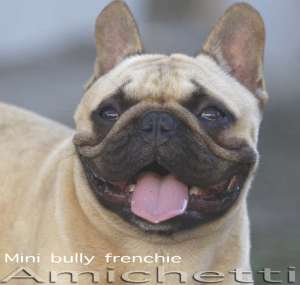
    Buldogue Francês Amichetti é musculoso; atarracado em todas as proporções, pêlo curto.

    Focinho curto e achatado, orelhas eretas e cauda, naturalmente curta

    .

    Onde Comprar filhotes de Bulldog Frances? Quanto custa, qual o preço de um filhote de Bulldog francês?


     O canil e criador Amichetti de Juquitiba, São Paulo, possui cães da raça bulldog francês de linhagens consagradas de canis famosos , com lindos filhotes de bulldog para venda, ligue  no 11 4684 1047 hc / 11 99386 8744 hc  SP e agende sua visita para comprar de seu filhote de bulldog.

    "O Mini Bulldog" Sucesso nos EUA conquista o público brasileiro, mais compacto, saudável e amoroso bulldog conhecido como cão babá.
     
     
    Canil em destaque Petclube, Google, Facebook:
     
    Premiado French Bulldog Camp Line Petclube 
     
    Juquitiba São Paulo
     
    F:+55 11 99386-8744 hc  / 11 96393-1128 hc
     
    Nova Tendência Mundial: mini buldogue
     
    O famoso Canil French bulldog Camp Line através de suas últimas aquisições de linhagens creme e blue, consagradas na Europa e América do Norte, se adequou com nova tendência mundial com cães baixos, atarracados, 
  • O Segredo dos Filhotes Mais Mansinhos e Queridos

    **O Segredo dos Filhotes Mais Mansinhos e Queridos!** 🐾💛  

    Aqui no **Pet Clube**, o amor e o carinho começam desde os primeiros dias de vida! Através do **imprinting**, trabalhamos para que nossos filhotes cresçam **mansos, sociáveis e super apegados** às pessoas.  

  • Olde English bulldogge USA British Bulldog Antigo Brasil

    http://www.petclube.com.br/bulldog-olde-english-bulldogge.html

    Thank you for visiting our website! Here at Petclube Bullies we pride ourselves in producing high quality Olde English Bulldogges. We are a small breeder located inJuquitiba SP BR. Our Olde English Bulldogge family boasts great blood lines with a variety of pedigree ancestry. The Olde English Bulldogge breed is one we have come to love and enjoy. Their athletic build makes them great companions for all lifestyles; while their relaxed spirit allows them to be content while calm. We have three boys that love to play with our dogs; this is a testimony to how loving and gentle an Olde English Bulldogge is with children. Our Bulldogges are our pets, and they are members of our family. One of the benefits of having our dogs is to share the joy they bring with others. It is a pleasure to see puppies go to homes where they will be loved and appreciated. Thanks for considering Petclube Bullies in your search for a new family friend. Feel free to call or email us anytime; we are happy to answer any questions you may have.
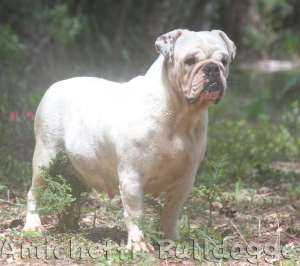
    old english bulldog bully bulldog


    Olde English Bulldogge Height:

    Males: 17 - 23 inches
    Females: 15 - 21 inches

    Olde English Bulldogge Weight:
    50 - 120 lbs.


    Olde English Bulldogge Coat:
    Short


    Olde English Bulldogge Temperament:
    Stable, trustworthy, and great with Family and children.

    Olde English Bulldogge Health Issues:
    Very healthy; should not have the many health problems of the English Bulldog

    WE RECOMMEND USING NUVET FOR YOUR FAMILY FRIEND!
    CLICK THE LINK BELOW

    CLICK HERE


    International Olde English Bulldogge Assoc. (IOEBA)


    CHECK OUT OUR PUPPIES FOR SALE!

    BREEDINGS PLANNED!


     BULLIES

    LDE ENGLISH BULLDOGGE - OLDE ENGLISH BULLDOGGE PUPPIES - OLDE ENGLISH BULLDOGGE PUPPIES - OLDE ENGLISH BULLDOGGE BREEDER  - OLDE ENGLISH BULLDOGGE BREEDER Best Temperamente  - BULLY PUPPIES - OLDE ENGLISH BULLDOGGE for sale - OLDE ENGLISH BULLDOGGE for buy- OLDE ENGLISH BULLDOGGE PUPPIES in usa &brasil -

    GUARDIAN GROUP (UKC Standard as of January 1, 2014)
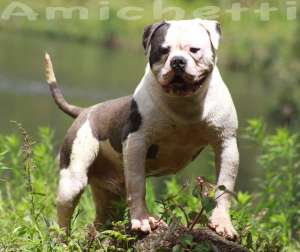
    olde english bulldogge blue old bulldog bully azul cinza brazil


    Breed Standard
    Click photo for larger View

    HISTORY

    Bulldogs were created for the English sport of bull baiting, practiced from approximately 1100 until 1835. By the middle of the 1800’s, the sport was no longer legal, and the athletic bulldog quickly began to disappear. Because the bulldog was revived solely for the conformation venue, selective breeding for appearance severely compromised the health and lifespan of this once agile, athletic and happy breed.

    In 1971 a breeding project began using a linebreeding scheme developed by Dr. Fechimer of Ohio State to rapidly achieve a purebred dog. The goal of this project was to return the bulldog to the appearance of the “Regency-Period” bulldog, now named the Olde English Bulldogge (OEB) to clearly differentiate the new breed from the modern English Bulldog.

    Today’s Olde English Bulldogge matches the looks of the bull baiting dog of the early 1800’s. They are, first and foremost, excellent companions, while also possessing the drive, temperament and agility to perform in numerous working venues as well as being service dogs. The revival of a healthy dog with the longevity to live well into its teens is a primary goal.

    The Olde English Bulldogge was recognized by the United Kennel Club on January 1, 2014.

    GENERAL APPEARANCE

    The Olde English Bulldogge is a muscular, medium sized dog of great strength, and possessed of fluid, agile movement. He is well balanced and proportioned, while appearing capable of performing without any breathing restrictions in either heat or in cold.

    Disqualifications: Unilateral or bilateral cryptorchid.

    CHARACTERISTICS

    The disposition of the Olde English Bulldogge is confident, friendly and alert. An OEB should be an animated and expressive dog, both in and out of the show ring.

    Fault: Shyness in a mature dog.

    Disqualification: Viciousness or extreme shyness.

    HEAD

    Serious Faults: Excessive wrinkle, lack of pigment around eyes, nose or mouth.

    SKULL – The skull is large and well-proportioned to the dog’s muscular body and prominent shoulders. There is a defined furrow from the stop to the occiput.

    Serious Faults: Narrow skull; domed forehead.

    MUZZLE – The muzzle appears square, wide and deep, with definite layback. Distance from the tip of the nose to the stop does not exceed one-third of the distance from the tip of the nose to the occiput. Flews are semi-pendulous.

    TEETH - Bite is undershot or reverse scissors. Lower jawbone is moderately curved from front to back. Broken, chipped or extracted teeth are not to be faulted. Exposed canine teeth are to be faulted.

    Disqualifications: Wry jaw; overbite.

    NOSE - Nostrils are wide, with a line running vertically between nostrils from the tip of nose down to the bottom of the upper lip. Nose is large and broad in relationship to the width of the muzzle. Nose color is black.

    Serious Fault: Slit nostrils.

    Disqualification: Any color nose other than black.

    EYES - Eyes are medium in size and almond shaped. They are set wide and low, level with the top of the muzzle. Color is dark to light brown, with black pigmented eye rims.

    Disqualifications: Any eye color other than brown; wall eyes; crossed eyes.

    EARS - Ears are rose, button or tulip. Rose is preferred. They are set high, wide and to the back outer edge of the skull. The ears are small in size.

    NECK

    The neck is medium length, wide, and slightly arched. It is slightly smaller than the head at their junction, and widens to point of the shoulders. Loose from jaw to chest, forming a double dewlap.

    FOREQUARTERS

    Shoulders are broad, heavily muscled and have a separation between the shoulder blades. Moderate angulation of the shoulder blade, which should also be roughly equal in length to the upper foreleg.

    ELBOWS - Elbows should be neither in nor out.

    FORELEGS - Forelegs are of medium bone, set straight, with strong pasterns.

    BODY

    Sturdy, powerful and slightly rectangular when viewed from the side. Chest is wide and deep, with a muscular brisket, and ribs well-sprung. There should be a distinct tuck between ribs and hindquarters. There is a dip behind the whithers; topline rises over the loin with the appearance of a slight roach.

    Faults: Narrow rib cage.

    HINDQUARTERS

    Hind legs are well muscled and have the appearance of being slightly longer than the forelegs.

    Viewed from the rear, the hind legs should be straight, parallel and set apart. Angulation is moderate.

    Fault: Cow-hocked or bow-hocked.

    FEET

    Feet are strong and rounded, with well-arched toes.

    Faults: Flat feet or splayed toes.

    TAIL

    The characteristic tail is often referred to as a crank or pump handle tail. Straight tails are also acceptable. The tail is set on as a natural extension of the topline, and tapers to a point. When the dog is relaxed, the tail is carried low and extends approximately to the hock. When the dog is moving, the tail is carried level with the backline. When the dog is excited, the tail may be carried in a raised, upright position (challenge tail), but never curled over the back (gay tail).

    Faults: Tail curling 360 degrees or carried up over the back.

    Disqualifications: Kinked, docked, natural bob, or screw tail (a kinked tail is a tail with one or more sharp bends).

    COAT

    Coat is short, close and of medium density. It should be shiny, showing good health.

    Faults: Fringe, feather or curl in the coat.

    COLOR

    Accepted color patterns include brindle, and solid colors, with or without white.

    Brindle is defined as a fine streaked or striped effect or pattern of black or tan hairs with hairs of a lighter or darker background color. Shades of colors accepted include red brindle, fawn brindle, brown brindle, and grey brindle; either solid or pied.

    Accepted solid colors include white, fawn or red; with or without white.

    Disqualifications: Albinism. Blue, black, and black with rust /mahogany/tan trim.

    GAIT

    At a trot, the gait is smooth, powerful, energetic and confident. A slight roll to the gait should not be faulted. Footfalls approach the centerline as trotting speed increases.

    When viewed from the front or rear, the legs turn neither in nor out, nor do feet cross or interfere with each other. From the side, the front legs should reach out smoothly with no obvious pounding.

    HEIGHT AND WEIGHT

    Overall balance is never to be sacrificed in favor of size.

    Dogs should be 60 to 80 pounds, and 17 to 20 inches at the withers. Bitches should be 50 to 70 pounds, and 16 to 19 inches at the withers.

    Neither dog nor bitch appears fat. Measurements apply at age 2 or older. Weight of both dog and bitch should be proportionate to height.

    DISQUALIFICATIONS

    ( A dog with a Disqualification must not be considered for placement in a conformation event, and must be reported to UKC.)
    Unilateral or bilateral cryptorchid.
    Viciousness or extreme shyness.
    Albinism.
    Wry jaw.
    Overbite.
    Any color nose other than black.
    Any eye color other than brown.
    Wall eyes
    Crossed eyes.
    Kinked, docked, natural bob, or screw tail (a kinked tail is a tail with one or more sharp bends).

    Facebookhttps://www.facebook.com/petclube/

    Youtubehttps://www.youtube.com/channel/UCWTOIIFQdl7oSCLpZJWaDjA

    whatssapp 11 99386-8744 hc Amichetti / 11 96393-1128 hc Dr. Gabriel

    OLDE ENGLISH BULLDOGGE PUPPIES - OLD ENGLISH BULLDOGGE PUPPIES - Old bulldog puppies

  • PETCLUBE – PET FRIEND ECOLOGICAMENTE CORRETO Propósitos e Diferenciais Construídos ao Longo de + 30 Anos

    🌱🐾 PETCLUBE – PET FRIEND ECOLOGICAMENTE CORRETO

    Vantagens, Propósitos e Diferenciais Construídos ao Longo de + 30 Anos

    O Petclube é muito mais do que um criadouro: é um projeto de vida, movido por amor aos animais, responsabilidade ambiental e compromisso científico. Há mais de três décadas, a família Petclube une criação artesanal, base científica sólida e preservação da Mata Atlântica, construindo um modelo único no Brasil.


    🌿 1. SUSTENTABILIDADE REAL: PLANTIO E PRESERVAÇÃO DA MATA ATLÂNTICA

    O Petclube nasceu com uma missão maior:
    salvar e restaurar áreas nativas da Mata Atlântica através do plantio contínuo.

    Isso significa:

    • Plantio de Mata Atlântica original em grande escala
    • Preservação ativa da biodiversidade local
    • Proteção de nascentes e produção natural de água
    • Gestão ambiental guiada por engenheiro agrônomo e advogado especialista em direito ambiental
    • Área totalmente restaurada, cuidada diariamente pela família Petclube

    Cada pet Petclube contribui diretamente para essa missão — não é marketing, é prática real há mais de 30 anos.


    💚 2. SELO VERDE – GARANTIA DE SUSTENTABILIDADE

    Todos os pets possuem o Selo Verde do pedigree IPC, que certifica:

    • A origem sustentável
    • O compromisso ambiental
    • A participação direta da família adotante na preservação da Mata Atlântica

    É um selo exclusivo que representa responsabilidade ecológica, rastreamento, qualidade e transparência.


    🐾 3. CRIAÇÃO ARTESANAL COM BASE CIENTÍFICA

    O Petclube combina dois universos:

    Artístico e artesanal

    • Cães e gatos criados dentro da família
    • Amor, rotina tranquila e socialização rica
    • Filhotes criados soltos, com liberdade, enriquecimento ambiental e estímulos naturais
    • Seleção cuidadosa do temperamento: calmos, confiantes, dóceis e seguros

    Científico e técnico

    • Acompanhamento constante da Medicina Veterinária Integrativa
    • Exames PCR negativos para:
      Ehrlichia sp
      Babesia sp
      Brucella sp
    • Seleção genética responsável
    • Controle sanitário rigoroso
    • Equipe formada por veterinários, advogados e engenheiros agrônomos
    • Criação baseada em bem-estar, etologia, saúde e ciência

    É uma criação afetiva, porém técnica. Uma das combinações mais raras e valiosas.


    🏞 4. BEM-ESTAR ANIMAL COMO PILAR CENTRAL

    No Petclube, bem-estar não é discurso: é regra e prática diária.

    • Animais vivem livres, soltos e felizes
    • Convivem com natureza (floresta plantada), lagoas, trilhas e áreas abertas
    • Acompanhamento veterinário permanente
    • Nutrição adequada e integrativa
    • Zero confinamento estressante
    • Zero superlotação
    • Ambientes seguros e enriquecidos

    O resultado são pets:

    • emocionalmente equilibrados
    • fisicamente saudáveis
    • socializados desde cedo
    • com comportamento estável e previsível

    🐕🐈 5. CÃES E GATOS DE ALTA QUALIDADE — CRIADOS COM AMOR E RESPONSABILIDADE

    O Petclube trabalha com cães de guarda e companhia, e gatos de raças carismáticas, sempre com responsabilidade e seleção ética.

    Cães:

    Pastor Alemão, Rottweiler e outras raças grandes, criados com mansidão, equilíbrio e temperamento excelente para famílias.

    Gatos:

    • Maine Coon – dóceis, gigantes gentis, inteligentes
    • Ragdoll – de olhos azuis intensos, tranquilos e amorosos

    Todos socializados desde cedo para convivência familiar.


    👨‍👩‍👧‍👦 6. REDE DE AMIGOS: Responsabilidade

    PARA FAMÍLIAS ÍNTIMAS E COMPROMETIDAS

    O Petclube não vende para o público geral.
    Os animais são destinados apenas a:

    • amigos íntimos que entendem a questão sustentabilidade 
    • famílias comprometidas
    • pessoas que compreendem e respeitam a missão ambiental
    • tutores que oferecem amor, cuidado e responsabilidade

    Isso garante o destino correto e o bem-estar do animal ao longo da vida.


    🌍 7. 30 ANOS TRANSFORMANDO VIDAS, FAMÍLIAS E O PLANETA

    Por três décadas, o Petclube:

    • Plantou e conservou ecossistemas inteiros
    • Criou milhares de árvores nativas
    • Formou gerações de cães e gatos felizes
    • Levou saúde e amor para centenas de famílias
    • Tornou a preservação ambiental uma missão diária

    O Petclube é, acima de tudo, um projeto para o futuro da humanidade e dos animais.


    📌 CONCLUSÃO

    O Petclube representa:

    🌱 Sustentabilidade real
    🐾 Bem-estar animal exemplar
    📚 Base científica sólida
    ❤️ Amor e criação artesanal
    🌳 Preservação da Mata Atlântica
    💧 Geração de recursos naturais
    🔬 Responsabilidade genética e sanitária
    🏡 Pets equilibrados, saudáveis e especiais
    ✔ Selo Verde – garantia e rastreabilidade
    👨‍⚕️ Medicina veterinária integrativa
    👨‍🌾 Gestão ambiental profissional

    É um modelo único no Brasil — e um legado vivo.


  • Petclube Amichetti Medicina Veterinária, Natureza, Ciência e Qualidade de Vida

    Petclube Amichetti med vet

    Ciência, natureza, família e propósito a serviço da vida

    O Petclube Amichetti é uma empresa, mas sua essência ultrapassa a lógica empresarial. Sua trajetória foi construída sobre uma filosofia de vida pautada por valores éticos, responsabilidade, conhecimento e compromisso com o bem maior. Mais do que oferecer serviços, o Petclube Amichetti representa uma forma de ver o mundo: com respeito à vida, à natureza, aos animais e às pessoas.

    Desde sua origem, o Petclube Amichetti consolidou uma atuação baseada na seriedade técnica, na observação clínica e na convicção de que a excelência humana e animal nasce da coerência entre ciência, consciência e propósito. Seu trabalho integra medicina veterinária, alimentação natural, nutrologia, metabolismo animal, preservação ambiental e difusão de conhecimento, sempre com uma postura firme em defesa do que é certo, do que é ético e do que é duradouro.

    A proposta do Petclube Amichetti é clara: cuidar da vida com profundidade, documentar resultados com responsabilidade e compartilhar informação séria para que mais pessoas tenham acesso a conteúdos confiáveis, técnicos e úteis. Em um cenário marcado por excesso de ruído e superficialidade, o Petclube assume um papel editorial e científico relevante, funcionando também como um espaço de divulgação de artigos veterinários fundamentados, acessíveis e comprometidos com a verdade.


    Medicina veterinária com olhar integrativo

    A medicina veterinária praticada pelo Petclube Amichetti é integrativa por natureza. Isso significa compreender o animal de forma ampla, considerando corpo, metabolismo, alimentação, comportamento, ambiente e vínculo afetivo com sua família humana. Não se trata apenas de tratar doenças, mas de construir saúde, prevenir desequilíbrios e promover bem-estar real e sustentável.

    Nesse contexto, a alimentação natural ocupa papel central. Ela não é apenas uma escolha alimentar, mas uma ferramenta de cuidado profundo, capaz de contribuir para o equilíbrio metabólico, a vitalidade e a qualidade de vida dos animais. Somada à nutrologia veterinária e ao estudo do metabolismo animal, essa abordagem permite condutas mais individualizadas, coerentes e alinhadas com a fisiologia de cada paciente

    O Petclube Amichetti acredita que saúde verdadeira exige constância, técnica e sensibilidade. Alimentar com consciência, acompanhar com responsabilidade e intervir com precisão são princípios que sustentam uma medicina veterinária moderna, humana e comprometida com resultados concretos.


    Mata Atlântica restaurada e natureza como parte do cuidado

    A história do Petclube Amichetti também está profundamente ligada à recuperação ambiental. Em uma área ao lado da Rodovia Régis Bittencourt, onde a Mata Atlântica foi, ao longo do tempo, submetida a ciclos de exploração e degradação, foi desenvolvido um trabalho contínuo de restauração, com plantio de árvores nativas, reintrodução de espécies raras e preservação da integridade ecológica.

    Esse compromisso com a terra não é apenas ambiental. Ele traduz uma visão mais ampla de saúde, na qual natureza, animal e ser humano estão interligados. Ao restaurar o solo, proteger o lençol freático e valorizar a vegetação nativa, o Petclube reforça a ideia de que preservar o ambiente é também preservar a vida em suas múltiplas dimensões.

    Os passeios na Mata Atlântica replantada são parte dessa filosofia. Mais do que uma experiência de contato com a natureza, eles representam um ambiente de equilíbrio, estímulo sensorial, tranquilidade e bem-estar para os animais. A natureza, nesse contexto, não é cenário: é cuidado, é terapia silenciosa, é extensão da própria medicina.
     

    Pets como alegria, motivação de vida e apoio emocional

    O Petclube Amichetti reconhece com profundidade o papel dos pets na vida das pessoas. Os animais oferecem companhia, vínculo, rotina, afeto e, em muitos casos, uma razão concreta para seguir em frente. Para inúmeras famílias, eles representam alegria, estabilidade emocional e motivação de vida.

    Essa relação pode ser especialmente importante para pessoas que atravessam momentos de fragilidade, solidão, ansiedade, sofrimento ou luto. Nesses contextos, os pets se tornam uma base segura de apoio emocional, ajudando a sustentar o cotidiano com presença, afeto e lealdade.
    O Petclube compreende esse vínculo como algo legítimo, profundo e humano. Por isso, o cuidado com os animais vai além da clínica: ele também acolhe o impacto emocional que eles exercem sobre as pessoas. Cuidar do pet é, muitas vezes, cuidar também da estrutura afetiva de toda uma família.
     

    O site como espaço de conhecimento e difusão científica

    O site do Petclube Amichetti foi concebido não apenas como uma vitrine institucional, mas como um verdadeiro espaço de compartilhamento de conhecimento técnico e científico. Sua missão é publicar artigos veterinários sérios, bem documentados e acessíveis, capazes de alcançar profissionais, tutores, estudantes e pessoas que buscam informação confiável sobre saúde animal, nutrição, comportamento, bem-estar e medicina integrativa.

    Essa iniciativa tem valor social. Em um tempo em que a informação circula com velocidade, mas nem sempre com qualidade, oferecer conteúdo fundamentado é um ato de responsabilidade pública. O Petclube entende que conhecimento de qualidade precisa circular, ser compreendido e chegar a quem necessita dele. Por isso, o site funciona como uma plataforma de educação, orientação e contribuição para a comunidade.
    A divulgação de resultados e a publicação de artigos não são apenas extensões da atividade profissional. Elas fazem parte da missão do Petclube Amichetti: transformar experiência em conhecimento útil e conhecimento em benefício real para a sociedade.
     

    Família, valores e postura firme do que é certo

    A força do Petclube Amichetti está também enraizada na família. Seus princípios não foram construídos em torno da conveniência, mas da convicção. Ética, moral, responsabilidade e compromisso com o certo não aparecem como discurso decorativo, mas como base concreta de tudo o que foi edificado ao longo do tempo.

    Em uma época em que muitos valores parecem enfraquecidos, o Petclube mantém uma postura firme. Firme na defesa da vida. Firme na preservação da natureza. Firme na seriedade científica. Firme no respeito aos animais e às pessoas. Firme, sobretudo, na ideia de que um legado verdadeiro só se sustenta quando está apoiado em princípios sólidos.
     
    Essa coerência é o que dá sentido à trajetória do Petclube Amichetti. É ela que transforma um projeto empresarial em uma filosofia de vida. É ela que torna a empresa uma referência de continuidade, confiança e propósito.
     

    Conclusão

    O Petclube Amichetti é uma empresa, sim. Mas é, acima de tudo, uma filosofia de vida aplicada à prática. Sua história reúne medicina veterinária, alimentação natural, nutrologia, preservação ambiental, apoio emocional, difusão científica e valores familiares em uma mesma visão de futuro.

    Ao cuidar dos animais, o Petclube cuida também das pessoas.

    Ao restaurar a natureza, fortalece a vida.
    Ao divulgar conhecimento sério, amplia o alcance da verdade.
    Ao preservar valores, constrói legado.

    Esse é o sentido do Petclube Amichetti: servir à vida com ciência, consciência e coração.
     

    Referências bibliográficas

    BECK, Alan M.; KATCHER, Aaron H. Between pets and people: the importance of animal companionship. West Lafayette: Purdue University Press, 1996.


    FARACO, Ceres Berger. Interação humano-animal. São Paulo: Elsevier, 2008.


    FINE, Alan H. Handbook on animal-assisted therapy: theoretical foundations and guidelines for practice. 4. ed. San Diego: Academic Press, 2015.


    FRASER, David. Understanding animal welfare: the science in its cultural context. Chichester: Wiley-Blackwell, 2008.


    HAND, Michael S. et al. Small animal clinical nutrition. 5. ed. Topeka: Mark Morris Institute, 2010.


    NATIONAL RESEARCH COUNCIL. Nutrient requirements of dogs and cats. Washington, DC: National Academies Press, 2006.


    Ver essa foto no Instagram


    Um post compartilhado por PetclubeAmigo (@petclubeamigo)


    Ver essa foto no Instagram


    Um post compartilhado por Amichetti Claudio (@dr.claudio.amichetti)


    Ver essa foto no Instagram


    Um post compartilhado por Amichetti Claudio (@dr.claudio.amichetti)

Página 2 de 3