Notícias
Notícias
 Divulgação médico veterinária. Noticias, artigos, fotos, imagens, vídeos, Petclube é o melhor site que vende cães bulldog, pug, rhodesian ridgeback, frenchie bulldog, chihuahua, buldogue campeiro, olde english bulldogge, pitmonster, gatos ragdoll, maine coon , bengal, exotico, persa, com anúncios de divulgação de filhotes de cachorros e gatinhos munchkin toy raríssimos para todo Brasil
wthats 55 11 9386 8744 Juquitiba SP
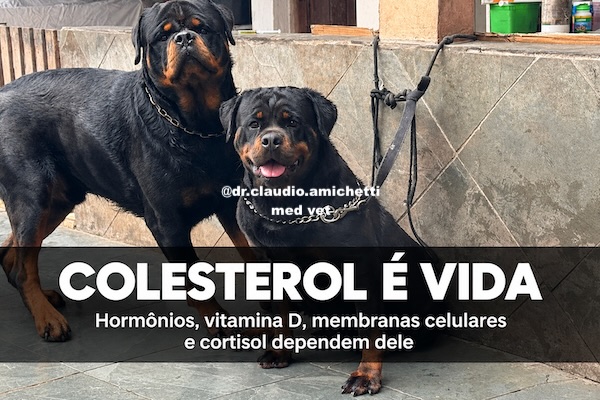
Colesterol Dietético, Ingestão de Carboidratos e Modificação da Lipoproteína de Baixa Densidade: Revisitando o Papel da Gordura Animal na Doença Cardiovascular
Dr. Claudio Amichetti Junior — CRMV 75404. Pós-graduado em Nutrição Animal, Pós-graduado em Farmacologia, Pós-graduado em Cannabis Medicinal.
RESUMO
A hipótese de que o colesterol dietético e a gordura animal são os principais fatores dietéticos da aterosclerose domina a nutrição cardiovascular há mais de seis décadas. Contudo, evidências contemporâneas indicam que a aterogenicidade da lipoproteína de baixa densidade (LDL) depende menos da sua concentração plasmática isolada e mais da sua modificação qualitativa — em particular oxidação e glicação impulsionadas por hiperglicemia crônica e altas cargas glicêmicas. Esta revisão narrativa examina a construção histórica do dogma dieta-coração, incluindo influência documentada da indústria do açúcar sobre as pesquisas da época; o papel mecanístico da ingestão de carboidratos na produção de partículas de LDL pequenas, densas, oxidadas e glicadas; a fraca correlação entre colesterol dietético e sérico; e os papéis fisiológicos essenciais do colesterol como precursor de hormônios esteroides, cortisol, vitamina D e membranas celulares. Apresenta-se uma avaliação equilibrada das evidências, reconhecendo que a redução de carboidratos — especialmente carboidratos refinados e açúcares adicionados, e não a gordura saturada — parece ser a estratégia dietética mais eficaz para a dislipidemia aterogênica, ao mesmo tempo em que se reconhecem pontos legítimos de controvérsia. Discutem-se implicações para a prática clínica e para a comunicação em saúde pública.
PALAVRAS-CHAVE: colesterol dietético; gordura saturada; oxidação da LDL; LDL glicada; dislipidemia aterogênica; ingestão de carboidratos; açúcares adicionados; hipótese dieta-coração; esteroidogênese; sintomas musculares associados a estatinas.
1. INTRODUÇÃO
A doença cardiovascular (DCV) segue como principal causa de morte no mundo, e a orientação dietética para sua prevenção foi dominada por décadas por uma única narrativa: o colesterol dietético e a gordura saturada de origem animal elevam o colesterol sanguíneo e, portanto, causam aterosclerose. Essa narrativa, frequentemente chamada de hipótese dieta-coração, moldou as diretrizes alimentares nacionais a partir dos anos 1960 e levou gerações de profissionais de saúde a orientar pacientes a evitar gemas de ovo, manteiga, banha e cortes gordos de carne. Em paralelo, a ingestão de carboidratos — em particular carboidratos refinados e açúcares adicionados — expandiu-se substancialmente no mesmo período, em parte como consequência das recomendações de redução de gordura.
Um conjunto crescente de evidências mecanísticas e epidemiológicas hoje sustenta uma leitura diferente dos dados: o fenótipo lipoproteico mais aterogênico não é simplesmente "colesterol alto", mas um padrão de partículas de LDL pequenas, densas, oxidadas e glicadas, impulsionado em grande parte por dietas ricas em carboidratos, resistência à insulina e hiperglicemia pós-prandial crônica. Esta revisão retoma as origens do dogma do colesterol, os mecanismos pelos quais a ingestão de carboidratos modifica a LDL, a fraca relação entre colesterol dietético e sérico e os papéis fisiológicos indispensáveis do colesterol — argumentando que a equação simplista "gordura animal = aterosclerose" merece revisão crítica.
2. CONSTRUÇÃO HISTÓRICA DO DOGMA DIETA-CORAÇÃO
Os debates iniciais sobre as causas dietéticas da doença arterial coronariana (DAC) nas décadas de 1950 e 1960 não ocorreram livres de interesses comerciais. Uma análise histórica de documentos internos da Sugar Research Foundation (SRF) mostrou que, em 1965, a SRF patrocinou uma revisão de literatura publicada no New England Journal of Medicine que apontou gordura e colesterol como as causas dietéticas da DAC, minimizando evidências emergentes que implicavam a sacarose — e que o financiamento e o papel da fundação não foram divulgados (Kearns et al., 2016). Os autores concluíram que a indústria do açúcar patrocinou, nos anos 1960 e 1970, um programa de pesquisa que "lançou com sucesso dúvidas sobre os perigos da sacarose, promovendo a gordura como o culpado dietético da DAC".
Esse contexto histórico importa porque o paradigma resultante — gordura e colesterol como vilões, carboidratos como substitutos inocentes — se enraizou nas diretrizes alimentares, na formação profissional e na percepção pública. DiNicolantonio, Lucan e O'Keefe (2015) reexaminaram as evidências sobre gordura saturada versus açúcares adicionados em relação à doença coronariana e concluíram que as evidências que implicam os açúcares adicionados são mais fortes do que as que implicam a gordura saturada, e que a substituição da gordura saturada por carboidratos refinados pode ter agravado o risco cardiovascular em nível populacional. Notavelmente, as décadas em que a epidemiologia cardiovascular se expandiu foram também as décadas de maior expansão no consumo de carboidratos refinados — uma coincidência temporal que, no mínimo, justifica escrutínio das atribuições causais feitas naquela época.
3. LDL: UM TRANSPORTADOR, NÃO O PRÓPRIO CULPADO
Um erro conceitual comum na comunicação clínica é tratar a LDL como "colesterol ruim". Estritamente, a LDL é uma partícula lipoproteica — um carreador — cuja função é transportar colesterol pela corrente sanguínea. O colesterol é uma molécula; a LDL é o veículo. O processo aterogênico depende criticamente do que acontece com a partícula: a LDL nativa captada por receptores de LDL faz parte da fisiologia normal, enquanto a LDL modificada (oxidada, glicada, agregada) é captada por receptores scavenger nos macrófagos, promovendo formação de células espumosas e desenvolvimento de placa.
A hiperglicemia é um motor central dessa modificação. A glicação não enzimática da LDL produz produtos finais de glicação avançada (AGEs), incluindo a Nε-(carboximetil)lisina (CML) na apolipoproteína B. No diabetes tipo 2, a formação excessiva de CML na LDL prejudica sua depuração via receptores de LDL, ao mesmo tempo em que intensifica a captação por receptores scavenger e de AGE em macrófagos e células vasculares, acelerando a aterogênese (Ahmed et al., 2008). Uma revisão narrativa contemporânea sumarizou que a hiperglicemia crônica favorece a glicação não enzimática, aumenta a produção de AGEs, induz estresse oxidativo e inflamação, e converte partículas de LDL pequenas e densas em LDL glicada — partículas ainda mais aterogênicas, que conferem risco cardiovascular aumentado (Vekić et al., 2023). Em outras palavras: a mesma concentração plasmática de LDL pode ser muito mais aterogênica em um ambiente metabólico hiperglicêmico, insulinorresistente e rico em carboidratos do que em um ambiente euglicêmico.
4. INGESTÃO DE CARBOIDRATOS E DISLIPIDEMIA ATEROGÊNICA
A dislipidemia aterogênica — a combinação de lipoproteínas ricas em triglicerídeos elevadas, aumento de partículas de LDL pequenas e densas e colesterol HDL reduzido — é o padrão lipídico característico da resistência à insulina e da síndrome metabólica. As evidências de que o carboidrato dietético, e não a gordura saturada, é o principal motor dietético desse padrão são hoje substanciais:
- Em uma meta-análise de estudos de coorte prospectivos, Siri-Tarino et al. (2010) não encontraram evidência significativa de que maior ingestão de gordura saturada se associe a maior risco de doença cardiovascular ou mortalidade, e destacaram que o macronutriente que substitui a gordura saturada (o carboidrato) modifica criticamente o desfecho.
- Lambadiari et al. (2020) revisaram o impacto do índice e da carga glicêmica na cinética lipídica pós-prandial, descrevendo como os carboidratos — especialmente a frutose, que estimula a lipogênese de novo hepática — exacerbam a hipertrigliceridemia pós-prandial, um fator de risco cardiovascular distinto que gera partículas altamente aterogênicas e inflamação endotelial.
- Em revisão de 2025, Kim, Shin e Krauss concluíram que a redução da ingestão de carboidratos é a abordagem dietética mais eficaz para o manejo da dislipidemia aterogênica, particularmente em indivíduos com adiposidade excessiva ou síndrome metabólica, e que limitar a gordura saturada para reduzir o colesterol LDL não demonstrou impacto sobre a dislipidemia aterogênica; recomendam padrões alimentares que enfatizam a moderação da ingestão de carboidratos — especialmente grãos processados e açúcares adicionados — em vez da restrição primária de gordura saturada.
Esses achados se alinham à observação clínica, popularizada em comunidades low-carbohydrate e carnívora-adjacentes, de que pacientes que restringem carboidratos refinados frequentemente apresentam redução de triglicerídeos, aumento de HDL e deslocamento da distribuição de partículas de LDL para fenótipos maiores e mais flutuantes (menos aterogênicos). É importante, porém, precisar a afirmação: não se afirma que a concentração de colesterol LDL seja irrelevante, mas que a modificação qualitativa da LDL impulsionada por carboidratos (partículas pequenas e densas, oxidadas, glicadas) é um mecanismo aterogênico importante — e historicamente subenfático.
5. COLESTEROL DIETÉTICO VERSUS COLESTEROL SÉRICO: UMA CORRELAÇÃO FRACA
A suposição de que comer colesterol eleva o colesterol sanguíneo de forma clinicamente relevante foi repetidamente contestada. Fernández e Murillo (2022) revisaram dados epidemiológicos e intervenções clínicas e concluíram que há falta de correlação entre colesterol dietético e colesterol sanguíneo, com intervenções de desafio de colesterol relatando inclusive efeitos benéficos sobre subfrações de lipoproteínas, colesterol HDL e funcionalidade do HDL. Isso é consistente com a fisiologia compensatória humana: a síntese hepática de colesterol se regula para baixo em resposta à ingestão dietética na maioria dos indivíduos ("compensadores"), e apenas uma minoria de "hiper-respondedores" apresenta elevações significativas.
A literatura sobre ovos ilustra a controvérsia. Uma grande meta-análise atualizada de estudos de coorte (Zhao et al., 2022) relatou associações modestas entre maior ingestão de ovos e colesterol dietético e mortalidade (risco relativo agrupado de 1,04 por ovo adicional de 50 g/dia para mortalidade cardiovascular), sustentando uma posição cautelosa. Em contraste, uma revisão abrangente de 2026 concluiu que meta-análises recentes mostram impacto limitado ou nulo do consumo de ovos sobre aterosclerose e risco de doença cardiovascular, que estudos clínicos relatam melhora do colesterol HDL e redução da LDL oxidada com o consumo adicional de um ovo diário, e que análises ecológicas mundiais identificam associação negativa significativa entre ingestão de ovos e incidência e mortalidade por cardiopatia isquêmica (Kishimoto e Sugihara, 2026). A síntese honesta é que o colesterol dietético é um fator fraco e dependente de contexto — dominado pelo milieu metabólico (resistência à insulina, hiperglicemia, inflamação) em que é consumido — e que a demonização generalizada de alimentos de origem animal ricos em colesterol, como os ovos, não é sustentada pelo conjunto das evidências.
6. OS PAPÉIS FISIOLÓGICOS DO COLESTEROL E DA GORDURA ANIMAL
O colesterol não é uma toxina; é uma pedra angular estrutural e hormonal da biologia dos vertebrados:
- Membranas celulares: o colesterol modula a fluidez e a integridade da membrana em todas as células nucleadas.
- Esteroidogênese: o colesterol é o precursor obrigatório de todos os hormônios esteroides — progesterona, estrogênios, testosterona e cortisol. A restrição dietética crônica de colesterol e gordura animal pode, plausivelmente, limitar a disponibilidade de substrato para a esteroidogênese, mecanismo consistente com a fadiga, a redução da resiliência ao estresse e as queixas hormonais relatadas por pacientes em dietas muito pobres em gordura. Esse argumento de disponibilidade de substrato é fisiologicamente plausível, mas deve ser enquadrado como hipótese que exige ensaios de intervenção diretos.
- Vitamina D e ácidos biliares: o colesterol é o precursor da vitamina D3 e dos ácidos biliares, essenciais para a digestão de gorduras e para a circulação enterohepática.
- Fisiologia digestiva: a gordura animal estimula a liberação de bile e a secreção de lipase pancreática; a instrução clínica comum de que pacientes sem vesícula (ou com queixas biliares) devem evitar gordura confunde ausência de órgão com incapacidade metabólica, e pode agravar a própria intolerância que visa prevenir, perpetuando o baixo fluxo biliar.
Quanto às estatinas, a classe de hipolipemiantes mais prescrita inibe a HMG-CoA redutase, bloqueando não apenas a síntese hepática de colesterol, mas também o intermediário da via do mevalonato coenzima Q10 (ubiquinona), essencial para a produção mitocondrial de ATP. Os sintomas musculares associados a estatinas são questão clínica reconhecida, e a depleção de CoQ10 foi proposta como mecanismo contribuinte, embora as evidências randomizadas sobre suplementação de CoQ10 permaneçam mistas (Zaleski et al., 2018). Isso não nega o benefício comprovado das estatinas na prevenção secundária, mas justifica uma conversa mais nuançada e centrada no paciente sobre trade-offs metabólicos — e reforça o princípio de que a qualidade dietética deve ser a base, com a farmacoterapia sobreposta ao risco individualizado.
7. AVALIAÇÃO CRÍTICA: O QUE AS EVIDÊNCIAS SUSTENTAM E O QUE NÃO SUSTENTAM
A integridade científica exige apresentar a contraprova. Dados meta-analíticos mostram consistentemente que a substituição de gorduras insaturadas por gorduras saturadas eleva o colesterol LDL (uma revisão guarda-chuva de óleos tropicais constatou que substituir óleos insaturados por banha aumentou o LDL-C em aproximadamente 8–10 mg/dL) (Unhapipatpong et al., 2021), e grandes análises de coorte associam maior colesterol dietético a mortalidade modestamente maior (Zhao et al., 2022). O mainstream científico continua a apoiar a redução do colesterol LDL em pacientes de alto risco.
A posição defensável e baseada em evidências não é, portanto, "o colesterol é inofensivo", mas sim uma reordenação de prioridades:
1. A aterogenicidade da LDL é fortemente modificada pelo ambiente metabólico impulsionado por carboidratos (glicação, oxidação, fenótipo pequeno-denso).
2. O colesterol dietético de alimentos animais integrais tem relação fraca e heterogênea com o colesterol sérico e os desfechos cardiovasculares.
3. Reduzir carboidratos refinados e açúcares adicionados é a alavanca dietética mais eficaz contra a dislipidemia aterogênica (Kim et al., 2025).
4. O colesterol e a gordura animal são substratos fisiologicamente indispensáveis, e sua restrição generalizada tem custos plausíveis (esteroidogênese, saciedade, absorção de vitaminas lipossolúveis) que merecem igual atenção científica.
5. Alegações na mídia popular — em ambas as direções — frequentemente exageram narrativas de mecanismo único; padrões alimentares integrados e o contexto específico do paciente superam intervenções isoladas.
8. CONCLUSÃO
O dogma de que o colesterol dietético e a gordura animal são as principais causas dietéticas da aterosclerose foi consolidado em uma era de influência industrial documentada e foi apenas parcialmente revisado pelas evidências subsequentes. A ciência atual sustenta um modelo mais preciso: a ingestão de carboidratos — em particular carboidratos refinados e açúcares adicionados — alimenta o milieu hiperglicêmico e insulinorresistente que oxida e glica as partículas de LDL, produzindo as espécies lipoproteicas mais aterogênicas; ao mesmo tempo, o colesterol de alimentos de origem animal é um determinante fraco do colesterol sérico e um substrato essencial para hormônios, vitamina D, ácidos biliares e membranas celulares. A nutrição clínica deve migrar de uma obsessão univariável pela concentração de colesterol LDL para uma abordagem de contexto metabólico: moderar a ingestão de carboidratos refinados, preservar quantidade e qualidade adequadas de gordura dietética, individualizar a terapia hipolipemiante e comunicar honestamente com os pacientes sobre as incertezas genuínas que permanecem.
REFERÊNCIAS
1. Siri-Tarino PW, Sun Q, Hu FB, Krauss RM. Saturated fat, carbohydrate, and cardiovascular disease. Am J Clin Nutr. 2010;91(3):502-509. doi:10.3945/ajcn.2008.26285
2. DiNicolantonio JJ, Lucan SC, O'Keefe JH. The Evidence for Saturated Fat and for Sugar Related to Coronary Heart Disease. Prog Cardiovasc Dis. 2016;58(5):464-472. doi:10.1016/j.pcad.2015.11.006
3. Kearns CE, Schmidt LA, Glantz SA. Sugar Industry and Coronary Heart Disease Research: A Historical Analysis of Internal Industry Documents. JAMA Intern Med. 2016;176(11):1680-1685. doi:10.1001/jamainternmed.2016.5394
4. Ahmed KA, Muniandy S, Ismail IS. Nε-(Carboxymethyl)lysine and coronary atherosclerosis-associated low density lipoprotein abnormalities in type 2 diabetes. J Clin Biochem Nutr. 2008;44(1):14-27. doi:10.3164/jcbn.08-190
5. Vekić J, Vujčić S, Bufan B, et al. The Role of Advanced Glycation End Products on Dyslipidemia. Metabolites. 2023;13(1):77. doi:10.3390/metabo13010077
6. Fernández ML, Murillo AG. Is There a Correlation between Dietary and Blood Cholesterol? Evidence from Epidemiological Data and Clinical Interventions. Nutrients. 2022;14(10):2168. doi:10.3390/nu14102168
7. Zhao B, Gan L, Graubard BI, Männistö S, Albanes D, Huang J. Associations of Dietary Cholesterol, Serum Cholesterol, and Egg Consumption With Overall and Cause-Specific Mortality. Circulation. 2022;145(14):1081-1095. doi:10.1161/CIRCULATIONAHA.121.057642
8. Kishimoto Y, Sugihara N. Egg Consumption and Human Health: A Comprehensive Review of the Effects on Serum Lipids, Antioxidant Status, and Cardiovascular Outcomes. J Poult Sci. 2026. doi:10.2141/jpsa.2026001
9. Lambadiari V, Korakas E, Tsimihodimos V. The Impact of Dietary Glycemic Index and Glycemic Load on Postprandial Lipid Kinetics, Dyslipidemia and Cardiovascular Risk. Nutrients. 2020;12(8):2204. doi:10.3390/nu12082204
10. Kim S, Shin MJ, Krauss RM. Dietary Management of Atherogenic Dyslipidemia. Curr Atheroscler Rep. 2025. doi:10.1007/s11883-025-01335-6
11. Zaleski AL, Taylor BA, Thompson PD. Coenzyme Q10 as Treatment for Statin-Associated Muscle Symptoms—A Good Idea, but… Adv Nutr. 2018;9(4):505-513. doi:10.1093/advances/nmy010
12. Unhapipatpong C, et al. Tropical Oil Consumption and Cardiovascular Disease: An Umbrella Review of Systematic Reviews and Meta-Analyses. Nutrients. 2021;13(5):1549. doi:10.3390/nu13051549
—
Claudio Amichetti Junior — CRMV 75404
Pós em Nutrição Animal · Pós em Farmacologia · Pós em Cannabis Medicinal
Dietary Cholesterol, Carbohydrate Intake, and Low-Density Lipoprotein Modification: Revisiting the Role of Animal Fat in Cardiovascular Disease
Claudio Amichetti Junior — CRMV 75404. Postgraduate in Animal Nutrition, Postgraduate in Pharmacology, Postgraduate in Medicinal Cannabis.
ABSTRACT
The hypothesis that dietary cholesterol and animal fat are the primary dietary drivers of atherosclerosis has dominated cardiovascular nutrition for over six decades. However, contemporary evidence indicates that the atherogenicity of low-density lipoprotein (LDL) depends less on its plasma concentration alone and more on its qualitative modification — particularly oxidation and glycation driven by chronic hyperglycemia and high glycemic loads. This narrative review examines the historical construction of the diet–heart dogma, including documented sugar-industry influence on early research; the mechanistic role of carbohydrate intake in producing small, dense, oxidized and glycated LDL particles; the weak correlation between dietary and serum cholesterol; and the essential physiological roles of cholesterol as precursor of steroid hormones, cortisol, vitamin D, and cell membranes. A balanced appraisal of the evidence is presented, acknowledging that reducing carbohydrates — especially refined carbohydrates and added sugars — rather than saturated fat appears to be the most effective dietary strategy for atherogenic dyslipidemia, while recognizing legitimate points of controversy. Implications for clinical practice and public health communication are discussed.
KEYWORDS: dietary cholesterol; saturated fat; LDL oxidation; glycated LDL; atherogenic dyslipidemia; carbohydrate intake; added sugars; diet–heart hypothesis; steroidogenesis; statin-associated muscle symptoms.
1. INTRODUCTION
Cardiovascular disease (CVD) remains the leading cause of death worldwide, and dietary guidance for its prevention has been dominated for decades by a single narrative: that dietary cholesterol and saturated fat from animal sources raise blood cholesterol and, therefore, cause atherosclerosis. This narrative, often called the diet–heart hypothesis, shaped national dietary guidelines from the 1960s onward and led generations of health professionals to counsel patients to avoid egg yolks, butter, lard, and fatty cuts of meat. In parallel, carbohydrate intake — particularly refined carbohydrates and added sugars — expanded substantially during the same period, in part as a consequence of fat-reduction recommendations.
A growing body of mechanistic and epidemiological evidence now supports a different reading of the data: the most atherogenic lipoprotein phenotype is not simply "high cholesterol," but a pattern of small, dense, oxidized, and glycated LDL particles driven largely by high-carbohydrate diets, insulin resistance, and chronic postprandial hyperglycemia. This review revisits the origins of the cholesterol dogma, the mechanisms by which carbohydrate intake modifies LDL, the weak relationship between dietary and serum cholesterol, and the indispensable physiological roles of cholesterol — arguing that the simplistic equation "animal fat = atherosclerosis" deserves critical revision.
2. HISTORICAL CONSTRUCTION OF THE DIET–HEART DOGMA
The early debates about the dietary causes of coronary heart disease (CHD) in the 1950s and 1960s were not conducted free of commercial interests. A historical analysis of internal Sugar Research Foundation (SRF) documents showed that, in 1965, the SRF sponsored a literature review published in the New England Journal of Medicine that singled out fat and cholesterol as the dietary causes of CHD while downplaying emerging evidence implicating sucrose — and that the foundation's funding and role were not disclosed (Kearns et al., 2016). The authors concluded that the sugar industry sponsored a research program in the 1960s and 1970s that successfully cast doubt about the hazards of sucrose while promoting fat as the dietary culprit in CHD.
This historical context matters because the resulting paradigm — fat and cholesterol as villains, carbohydrates as innocent replacements — became embedded in dietary guidelines, professional education, and public perception. DiNicolantonio, Lucan and O'Keefe (2015) re-examined the evidence for saturated fat versus added sugars in relation to coronary heart disease and concluded that the evidence implicating added sugars is stronger than the evidence implicating saturated fat, and that substituting saturated fat with refined carbohydrates may have worsened cardiovascular risk at the population level. Notably, the decades in which cardiovascular epidemiology expanded were also the decades of the greatest expansion in refined carbohydrate consumption — a temporal coincidence that, at minimum, warrants scrutiny of the causal attributions made in that era.
3. LDL: A TRANSPORTER, NOT THE CULPRIT ITSELF
A common conceptual error in clinical communication is to treat LDL as "bad cholesterol." Strictly, LDL is a lipoprotein particle — a carrier — whose function is to transport cholesterol through the bloodstream. Cholesterol itself is a single molecule; LDL is the vehicle. The atherogenic process depends critically on what happens to the particle: native LDL taken up by LDL receptors is part of normal physiology, whereas modified LDL (oxidized, glycated, aggregated) is taken up by scavenger receptors on macrophages, promoting foam-cell formation and plaque development.
Hyperglycemia is a central driver of this modification. Non-enzymatic glycation of LDL produces advanced glycation end products (AGEs), including Nε-(carboxymethyl)lysine (CML) on apolipoprotein B. In type 2 diabetes, excessive CML formation on LDL impairs its clearance via LDL receptors while enhancing uptake by scavenger and AGE receptors on macrophages and vascular cells, accelerating atherogenesis (Ahmed et al., 2008). A contemporary narrative review summarized that chronic hyperglycemia favors non-enzymatic glycation, increases AGE production, induces oxidative stress and inflammation, and converts small, dense LDL particles into glycated LDL — particles that are even more atherogenic and confer increased cardiovascular risk (Vekić et al., 2023). In other words: the same plasma LDL concentration can be far more atherogenic in a hyperglycemic, insulin-resistant, high-carbohydrate metabolic environment than in a euglycemic one.
4. CARBOHYDRATE INTAKE AND ATHEROGENIC DYSLIPIDEMIA
Atherogenic dyslipidemia — the combination of elevated triglyceride-rich lipoproteins, increased small, dense LDL particles, and reduced HDL cholesterol — is the characteristic lipid pattern of insulin resistance and metabolic syndrome. The evidence that dietary carbohydrate, rather than saturated fat, is the primary dietary driver of this pattern is now substantial:
- In a meta-analysis of prospective cohort studies, Siri-Tarino et al. (2010) found no significant evidence that higher saturated fat intake is associated with higher cardiovascular disease or mortality risk, and highlighted that the macronutrient replacing saturated fat (carbohydrate) critically modifies the outcome.
- Lambadiari et al. (2020) reviewed the impact of glycemic index and glycemic load on postprandial lipid kinetics, describing how carbohydrates — especially fructose, which stimulates hepatic de novo lipogenesis — exacerbate postprandial hypertriglyceridemia, a distinct cardiovascular risk factor that generates highly atherogenic particles and endothelial inflammation.
- In a 2025 review, Kim, Shin and Krauss concluded that reducing carbohydrate intake is the most effective dietary approach for managing atherogenic dyslipidemia, particularly in individuals with excess adiposity or metabolic syndrome, and that limiting saturated fat for LDL-cholesterol reduction has not been shown to have an impact on atherogenic dyslipidemia; they recommend dietary patterns emphasizing moderation of carbohydrate intake — especially processed grains and added sugars — rather than primary restriction of saturated fat.
These findings align with the clinical observation, popularized in low-carbohydrate and carnivore-adjacent communities, that patients who restrict refined carbohydrates frequently show reductions in triglycerides, increases in HDL, and shifts of LDL particle distribution toward larger, more buoyant (less atherogenic) phenotypes. It is important, however, to state this precisely: the claim is not that LDL-cholesterol concentration is irrelevant, but that carbohydrate-driven qualitative modification of LDL (small dense, oxidized, glycated particles) is a major — and historically underemphasized — atherogenic mechanism.
5. DIETARY CHOLESTEROL VERSUS SERUM CHOLESTEROL: A WEAK CORRELATION
The assumption that eating cholesterol raises blood cholesterol in a clinically meaningful way has been repeatedly challenged. Fernández and Murillo (2022) reviewed epidemiological data and clinical interventions and concluded that there is a lack of correlation between dietary and blood cholesterol, with cholesterol-challenge interventions even reporting beneficial effects on lipoprotein subfractions, HDL cholesterol, and HDL functionality. This is consistent with human compensatory physiology: hepatic cholesterol synthesis downregulates in response to dietary intake in most individuals ("compensators"), and only a minority of "hyper-responders" show meaningful rises.
The egg literature illustrates the controversy. A large updated meta-analysis of cohort studies (Zhao et al., 2022) reported modest associations between higher egg and dietary cholesterol intake and mortality (pooled relative risk of 1.04 per additional 50 g egg/day for cardiovascular mortality), supporting a cautious position. In contrast, a comprehensive 2026 review concluded that recent meta-analyses show limited or no impact of egg consumption on atherosclerosis and cardiovascular disease risk, that clinical studies report improved HDL-cholesterol and decreased oxidized LDL with additional daily egg intake, and that worldwide ecological analyses identify a significant negative association between egg intake and ischemic heart disease incidence and mortality (Kishimoto and Sugihara, 2026). The honest synthesis is that dietary cholesterol is a weak, context-dependent factor — dominated by the metabolic milieu (insulin resistance, hyperglycemia, inflammation) in which it is consumed — and that blanket demonization of cholesterol-rich animal foods such as eggs is not supported by the totality of evidence.
6. THE PHYSIOLOGICAL ROLES OF CHOLESTEROL AND ANIMAL FAT
Cholesterol is not a toxin; it is a structural and hormonal cornerstone of vertebrate biology:
- Cell membranes: cholesterol modulates membrane fluidity and integrity in every nucleated cell.
- Steroidogenesis: cholesterol is the obligate precursor of all steroid hormones — progesterone, estrogens, testosterone, and cortisol. Chronic dietary restriction of cholesterol and animal fat can plausibly limit substrate availability for steroidogenesis, a mechanism consistent with the fatigue, reduced stress resilience, and hormonal complaints reported by patients on very-low-fat diets. This substrate-availability argument is physiologically plausible but should be framed as a hypothesis requiring direct intervention trials.
- Vitamin D and bile acids: cholesterol is the precursor of vitamin D3 and of bile acids, which are essential for fat digestion and for the enterohepatic circulation.
- Digestive physiology: animal fat stimulates bile release and pancreatic lipase secretion; the common clinical instruction that patients without a gallbladder (or with biliary complaints) must avoid fat conflates organ absence with metabolic incapacity, and may worsen the very intolerance it aims to prevent by perpetuating low bile flow.
Regarding statin therapy, the most prescribed class of lipid-lowering drugs inhibits HMG-CoA reductase, thereby blocking not only hepatic cholesterol synthesis but also the mevalonate pathway intermediate coenzyme Q10 (ubiquinone), essential for mitochondrial ATP production. Statin-associated muscle symptoms are a recognized clinical issue, and CoQ10 depletion has been proposed as a contributing mechanism, although randomized evidence on CoQ10 supplementation remains mixed (Zaleski et al., 2018). This does not negate the proven benefit of statins in secondary prevention, but it does justify a more nuanced, patient-centered conversation about metabolic trade-offs — and reinforces the principle that dietary quality should be the foundation, with pharmacotherapy layered on individualized risk.
7. CRITICAL APPRAISAL: WHAT THE EVIDENCE DOES AND DOES NOT SUPPORT
Scientific integrity requires stating the counter-evidence. Meta-analytic data consistently show that replacing unsaturated fats with saturated fats raises LDL-cholesterol (an umbrella review of tropical oils found that substituting lard for unsaturated oils increased LDL-C by approximately 8–10 mg/dL) (Unhapipatpong et al., 2021), and large cohort analyses associate higher dietary cholesterol with modestly higher mortality (Zhao et al., 2022). The scientific mainstream continues to support LDL-cholesterol lowering in high-risk patients.
The defensible, evidence-based position is therefore not "cholesterol is harmless" but rather a reframing of priorities:
- The atherogenicity of LDL is strongly modified by the carbohydrate-driven metabolic environment (glycation, oxidation, small-dense phenotype).
- Dietary cholesterol from whole animal foods has a weak and heterogeneous relationship with serum cholesterol and cardiovascular outcomes.
- Reducing refined carbohydrates and added sugars is the most effective dietary lever against atherogenic dyslipidemia (Kim et al., 2025).
- Cholesterol and animal fat are physiologically indispensable substrates, and their blanket restriction has plausible costs (steroidogenesis, satiety, fat-soluble vitamin absorption) that deserve equal scientific attention.
- Claims in popular media — in both directions — frequently overstate single-mechanism narratives; integrated dietary patterns and patient-specific context outperform isolated interventions.
8. CONCLUSION
The dogma that dietary cholesterol and animal fat are the principal dietary causes of atherosclerosis was consolidated in an era of documented industry influence and has been only partially revised by subsequent evidence. Current science supports a more precise model: carbohydrate intake — particularly refined carbohydrates and added sugars — drives the hyperglycemic, insulin-resistant milieu that oxidizes and glycates LDL particles, producing the most atherogenic lipoprotein species; meanwhile, cholesterol from animal foods is a weak determinant of serum cholesterol and an essential substrate for hormones, vitamin D, bile acids, and cell membranes. Clinical nutrition should shift from a single-variable obsession with LDL-cholesterol concentration toward a metabolic-context approach: moderating refined carbohydrate intake, preserving adequate dietary fat quality and quantity, individualizing lipid-lowering therapy, and communicating honestly with patients about the genuine uncertainties that remain.
REFERENCES:
- Siri-Tarino PW, Sun Q, Hu FB, Krauss RM. Saturated fat, carbohydrate, and cardiovascular disease. Am J Clin Nutr. 2010;91(3):502-509. doi:10.3945/ajcn.2008.26285
- DiNicolantonio JJ, Lucan SC, O'Keefe JH. The Evidence for Saturated Fat and for Sugar Related to Coronary Heart Disease. Prog Cardiovasc Dis. 2016;58(5):464-472. doi:10.1016/j.pcad.2015.11.006
- Kearns CE, Schmidt LA, Glantz SA. Sugar Industry and Coronary Heart Disease Research: A Historical Analysis of Internal Industry Documents. JAMA Intern Med. 2016;176(11):1680-1685. doi:10.1001/jamainternmed.2016.5394
- Ahmed KA, Muniandy S, Ismail IS. Nε-(Carboxymethyl)lysine and coronary atherosclerosis-associated low density lipoprotein abnormalities in type 2 diabetes. J Clin Biochem Nutr. 2008;44(1):14-27. doi:10.3164/jcbn.08-190
- Vekić J, Vujčić S, Bufan B, et al. The Role of Advanced Glycation End Products on Dyslipidemia. Metabolites. 2023;13(1):77. doi:10.3390/metabo13010077
- Fernández ML, Murillo AG. Is There a Correlation between Dietary and Blood Cholesterol? Evidence from Epidemiological Data and Clinical Interventions. Nutrients. 2022;14(10):2168. doi:10.3390/nu14102168
- Zhao B, Gan L, Graubard BI, Männistö S, Albanes D, Huang J. Associations of Dietary Cholesterol, Serum Cholesterol, and Egg Consumption With Overall and Cause-Specific Mortality. Circulation. 2022;145(14):1081-1095. doi:10.1161/CIRCULATIONAHA.121.057642
- Kishimoto Y, Sugihara N. Egg Consumption and Human Health: A Comprehensive Review of the Effects on Serum Lipids, Antioxidant Status, and Cardiovascular Outcomes. J Poult Sci. 2026. doi:10.2141/jpsa.2026001
- Lambadiari V, Korakas E, Tsimihodimos V. The Impact of Dietary Glycemic Index and Glycemic Load on Postprandial Lipid Kinetics, Dyslipidemia and Cardiovascular Risk. Nutrients. 2020;12(8):2204. doi:10.3390/nu12082204
- Kim S, Shin MJ, Krauss RM. Dietary Management of Atherogenic Dyslipidemia. Curr Atheroscler Rep. 2025. doi:10.1007/s11883-025-01335-6
- Zaleski AL, Taylor BA, Thompson PD. Coenzyme Q10 as Treatment for Statin-Associated Muscle Symptoms—A Good Idea, but… Adv Nutr. 2018;9(4):505-513. doi:10.1093/advances/nmy010
- Unhapipatpong C, et al. Tropical Oil Consumption and Cardiovascular Disease: An Umbrella Review of Systematic Reviews and Meta-Analyses. Nutrients. 2021;13(5):1549. doi:10.3390/nu13051549
Claudio Amichetti Junior — CRMV 75404
Pós em Nutrição Animal · Pós em Farmacologia · Pós em Cannabis Medicinal
Ver esse post no Instagram
Recreação Esportiva em Cães e Enriquecimento Ambiental em Gatos: Efeitos sobre a Musculatura, o Estresse e o Envelhecimento Saudável
Dr. Claudio Amichetti Junior — CRMV SP 75404 VT Pós em Nutrição Animal · Pós em Farmacologia · Pós em Cannabis Medicinal
Resumo
A perda de massa muscular e o estresse crônico são determinantes interligados da redução de função e qualidade de vida em cães e gatos, especialmente durante o envelhecimento. Esta revisão sintetiza evidências científicas atuais sobre os efeitos da recreação esportiva em cães e do enriquecimento ambiental em gatos sobre a musculatura e o estresse. Em cães, o exercício físico regular promove aumento de massa magra, redução de gordura corporal e maior participação em atividades físicas, inclusive em animais idosos com atrofia muscular relacionada à idade (sarcopenia). Em gatos, o enriquecimento ambiental reduz estereotipias, comportamentos de evitação e metabólitos corticosteroides fecais, além de contribuir para a prevenção de obesidade, diabetes mellitus e distúrbios comportamentais em ambientes restritos. O eixo músculo-estresse — no qual o cortisol crônico favorece catabolismo proteico e inflamação sistêmica — fundamenta uma abordagem integrativa em que movimento regular, estímulo cognitivo e manejo ambiental atuam sinergicamente para restaurar a homeostase. Conclui-se que a recreação esportiva canina e o enriquecimento ambiental felino constituem estratégias de baixo custo, alto impacto e respaldadas por evidências para promover envelhecimento saudável, preservação da musculatura e redução do estresse em animais de companhia.
Palavras-chave: recreação esportiva canina; enriquecimento ambiental felino; sarcopenia; estresse; cortisol; bem-estar animal; envelhecimento saudável.
Abstract
Muscle loss and chronic stress are interrelated determinants of reduced function and quality of life in dogs and cats, particularly during aging. This review synthesizes current scientific evidence on the effects of sport-based recreation in dogs and environmental enrichment in cats on musculature and stress. In dogs, regular physical exercise promotes lean mass gain, fat mass reduction, and greater exercise participation, including in older animals with age-related muscle atrophy (sarcopenia). In cats, environmental enrichment reduces stereotypies, avoidance behaviors, and fecal corticosteroid metabolites, while contributing to the prevention of obesity, diabetes mellitus, and behavioral problems in confined environments. The muscle–stress axis — in which chronic cortisol favors protein catabolism and systemic inflammation — supports an integrative approach in which regular movement, cognitive stimulation, and environmental management act synergistically to restore homeostasis. It is concluded that canine sport recreation and feline environmental enrichment are low-cost, high-impact, evidence-based strategies to promote healthy aging, muscle preservation, and stress reduction in companion animals.
Keywords: canine sport recreation; feline environmental enrichment; sarcopenia; stress; cortisol; animal welfare; healthy aging.
1. Introdução
Envelhecer não significa, automaticamente, perder força, músculos e independência — nem em humanos, nem em cães e gatos. Com o passar dos anos, o corpo realmente pode sofrer mudanças na massa muscular, na força e na coordenação. Mas o movimento regular e o estímulo ambiental adequado estão entre as melhores estratégias para preservar essas capacidades ao longo de toda a vida.
Na medicina veterinária de cães e gatos, essa discussão se materializa em dois pilares complementares: a recreação esportiva em cães — que inclui caminhadas estruturadas, corrida, natação, agility e jogos de busca — e o enriquecimento ambiental em gatos — que recria, dentro de casa, os desafios físicos, cognitivos e sensoriais do repertório comportamental felino. Ambos os pilares convergem para os mesmos alvos fisiológicos: preservar a musculatura, reduzir o estresse crônico e sustentar a homeostase do organismo.
A justificativa clínica é robusta. Estudos longitudinais em gatos domésticos demonstram que a perda de massa muscular começa antes da meia-idade e se acelera após os 10 anos de idade, mesmo em animais clinicamente saudáveis (Pye et al., 2025). Em cães, a atrofia muscular relacionada à idade — a sarcopenia canina — compromete a participação em exercícios e o desempenho funcional, configurando condição prevalente e debilitante que ainda não é adequadamente prevenida ou tratada pelas abordagens convencionais (Ebert et al., 2024). Ao mesmo tempo, o estresse crônico — cada vez mais reconhecido como fator central na gênese de doenças como a cistite idiopática felina — perpetua inflamação, catabolismo e disfunção neuroendócrina (He et al., 2022).
O presente artigo revisa as evidências que sustentam a recreação esportiva em cães e o enriquecimento ambiental em gatos como ferramentas de preservação musculoesquelética e modulação do estresse, propõe um modelo integrativo — o eixo músculo-estresse — e apresenta recomendações práticas aplicáveis à rotina de tutores e equipes veterinárias.
2. A perda muscular relacionada à idade: sarcopenia em cães e gatos
A sarcopenia é a perda progressiva e generalizada de massa e força do músculo esquelético associada ao envelhecimento. Em cães, trata-se de condição prevalente e debilitante que, segundo Ebert et al. (2024), ainda não pode ser prevenida ou tratada de forma confiável pelas abordagens atuais — o que torna a prevenção precoce, baseada em exercício e nutrição, ainda mais estratégica. Os autores demonstraram que, em beagles idosos com sarcopenia, intervenções capazes de inibir os mecanismos moleculares da atrofia muscular melhoraram significativamente a participação nos exercícios e o desempenho funcional em teste de labirinto em T — evidência de que a musculatura envelhecida mantém plasticidade e capacidade de resposta quando devidamente estimulada.
Em gatos, os dados longitudinais são ainda mais elucidativos. No estudo prospectivo Cat Prospective Ageing and Welfare Study, 209 gatos domésticos entre 6,7 e 16,4 anos foram acompanhados por até 7 anos, com exames veterinários semestrais (Pye et al., 2025). O escore de condição muscular (MCS) caiu gradualmente de 30 para 28 pontos entre os 7 e os 10 anos e, em seguida, despencou para 15 pontos aos 16 anos. Após os 10 anos, os gatos tinham maior probabilidade de apresentar perda muscular leve do que ausência de perda; aos 14 anos, era mais provável estarem abaixo do peso do que obesos. Gatos que desenvolveram doença crônica apresentaram declínio acelerado em todas as métricas de composição corporal. A mensagem central é clara: a perda muscular felina começa antes da meia-idade — o que torna a prevenção precoce, por meio de movimento e estímulo ambiental, ainda mais relevante.
A perda muscular também é agravada por doenças endócrinas. Em gatos com hipertireoidismo não tratado, 77,3% apresentavam perda de massa muscular, e quase metade não recuperou a musculatura normal mesmo após o tratamento bem-sucedido da doença de base (Peterson et al., 2016). Esse dado reforça que a condição muscular deve ser monitorada como parâmetro clínico independente — e não inferida apenas pelo peso corporal ou pelo escore de condição corporal (ECC), que pode permanecer ideal mesmo com sarcopenia instalada.
Do ponto de vista fisiopatológico, a sarcopenia resulta da combinação de resistência anabólica (menor resposta da síntese proteica muscular aos estímulos), inflamação de baixo grau crônica, alterações neuromusculares e redução da atividade física — formando um círculo vicioso: menos movimento gera mais perda muscular, que gera ainda menos movimento. Quebrar esse ciclo é exatamente o papel da recreação esportiva e do enriquecimento ambiental.
3. Recreação esportiva em cães: muito além do passeio
3.1 Benefícios musculoesqueléticos e metabólicos
O exercício físico regular é o estímulo mais fisiológico existente para a manutenção da massa muscular. O músculo esquelético é um tecido extremamente adaptável: na ausência de estímulo mecânico, a síntese proteica cai e a degradação prevalece; na presença de treinamento regular, ocorre o oposto. Em cães de trenó submetidos a programa incremental de treinamento ao longo de 11 semanas, foi observado aumento global de massa magra e redução de massa gordurosa, independentemente de suplementação alimentar (Templeman et al., 2020) — demonstração objetiva de que o treinamento estruturado remodela ativamente a composição corporal, e não apenas gasta calorias.
Para o cão doméstico, os benefícios se traduzem em preservação de massa muscular e força; equilíbrio e coordenação; estabilidade articular; capacidade para realizar as tarefas do dia a dia — subir do sofá, caminhar, subir escadas, se levantar com facilidade — e redução do risco de lesões. Assim como na medicina humana, treinar força ajuda a manter massa muscular, força, equilíbrio, coordenação, estabilidade e capacidade funcional. E isso importa muito além da "academia": é uma questão de autonomia, mobilidade e qualidade de vida.
3.2 Exercício, comportamento e estresse
A recreação esportiva também é uma ferramenta comportamental potente. Cães que gastam energia de forma direcionada apresentam menos comportamentos destrutivos, menos ansiedade de separação e melhor regulação emocional. A caminhada regular com o tutor — a forma mais acessível de recreação esportiva canina — é reconhecida na literatura como estratégia de promoção de saúde para ambos os lados da guia, com benefícios documentados na manutenção da atividade física regular, na interação social e na adesão de longo prazo ao exercício (Christian et al., 2016). O passeio estruturado cria rotina, previsibilidade e vínculo — três fatores que reduzem o estresse crônico do animal.
3.3 Modalidades e progressão
As modalidades podem ser combinadas conforme a idade, a raça e o condicionamento do animal: caminhada estruturada de 20 a 60 minutos por dia; corrida controlada; natação e hidroesteira, de baixo impacto e ideais para cães idosos ou com doença articular; agility e jogos de busca, que somam componente cognitivo ao físico; e exercícios de força funcional, como subidas de rampa e puxada de brinquedo. A progressão deve ser sempre gradual, com aquecimento e respeitando-se a recuperação entre sessões — o que mais conta não é a intensidade extrema, e sim a consistência da rotina mantida ao longo do tempo.
Atenção especial merecem os cães braquicefálicos. Estudo prospectivo com 35 buldogues franceses, pugs e buldogues ingleses demonstrou que, mesmo após a cirurgia da síndrome obstrutiva das vias aéreas braquicefálicas (SOAB), os animais permaneciam significativamente menos aptos do que cães não braquicefálicos em teste de esteira submáxima (Goossens et al., 2025). Para esses pacientes, a recreação esportiva deve ter intensidade reduzida, sessões mais curtas, ambientes frescos e monitoramento veterinário prévio — nunca a exclusão do exercício.
3.4 Cães idosos
No cão idoso, o princípio se mantém: envelhecer não é sinônimo de ficar fraco. O treinamento de resistência adaptado — caminhadas mais curtas e frequentes, natação, exercícios de equilíbrio e subidas controladas — preserva massa muscular, força, equilíbrio e coordenação, mantendo a capacidade do animal de realizar as tarefas do dia a dia e reduzindo o risco de quedas e lesões. A combinação de exercício regular com ingestão proteica adequada e boa recuperação constitui a tríade da preservação muscular na geriatria canina.
4. Enriquecimento ambiental em gatos: o "treino" felino
4.1 O paradoxo do gato indoor
A contenção domiciliar protege o gato de traumas, doenças infecciosas, atropelamentos e predadores, e coortes de gatos contidos vivem consideravelmente mais — chegando a viver 10 ou mais anos a mais do que gatos com acesso livre à rua (Calver et al., 2026). Porém, o ambiente restrito impõe um novo conjunto de riscos: obesidade, diabetes mellitus e problemas comportamentais — condições que os próprios autores classificam como frequentemente remedáveis por meio de enriquecimento ambiental, exercício e alimentação correta (Calver et al., 2026). A revisão sistemática de Foreman-Worsley e Farnworth (2019) mapeou os fatores sociais e ambientais que determinam o bem-estar do gato indoor, evidenciando que espaço vertical, recursos adequados, previsibilidade e qualidade das interações sociais são determinantes diretos de saúde física e comportamental.
4.2 Evidência fisiológica: enriquecimento reduz estresse mensurável
O enriquecimento ambiental não é "mimimo" — ele altera objetivamente a resposta neuroendócrina ao estresse. Em estudo longitudinal com gatos Sphynx adultos mantidos em gaiolas coletivas, a introdução de enriquecimento — estruturas verticais (prateleiras e nichos elevados), arranhadores, túneis, brinquedos interativos com rotação diária, caixas de papelão, esconderijos, estímulos olfativos (erva-de-gato e alimentos aromáticos) e alimentares (petiscos escondidos) — reduziu significativamente as estereotipias e os comportamentos de evitação, além de diminuir as concentrações de metabólitos corticosteroides fecais mensuradas por ELISA (Sachser, 2025). Em termos práticos: o gato enriquecido apresenta menos sinais comportamentais de estresse E menos cortisol.
Em gatos abrigados, o enriquecimento ambiental também modula as respostas de estresse, com efeitos que variam conforme o estilo comportamental individual de cada animal (Ellis, 2013) — reforçando que o protocolo deve ser personalizado, e não padronizado.
4.3 Estresse e doença: a lição da cistite idiopática felina
A cistite idiopática felina (CIF) é o exemplo clínico mais eloquente da interação entre estresse, sistema neuroendócrino e doença física. A etiopatogenia da CIF envolve a interação entre estressores ambientais, o sistema neuroendócrino e a bexiga dos gatos afetados, e o tratamento primário recomendado é a modificação ambiental multimodal de longo prazo (MEMO), reservando-se ansiolíticos e suplementos nutricionais para casos crônicos recorrentes (He et al., 2022). Na prática clínica: tratar o ambiente é tratar a doença. Nenhum protocolo farmacológico substitui a correção do contexto que perpetua a ativação crônica do eixo estresse.
4.4 Os cinco componentes do enriquecimento felino
A implementação eficaz do enriquecimento ambiental felino contempla cinco dimensões complementares. O componente físico inclui prateleiras, nichos elevados, arranhadores, túneis e esconderijos — o espaço vertical é especialmente valioso, pois permite ao gato observar o território de posição segura. O componente alimentarutiliza forragem, bolinhas dispensadoras e petiscos escondidos para simular o ciclo caça-consumo. O componente cognitivo envolve brinquedos interativos, puzzles e até o treino de comandos simples. O componente social abrange sessões de caça simulada com varinha e o respeito à distância social individual de cada gato. O componente sensorial inclui erva-de-gato, prateleiras junto à janela e estímulos olfativos controlados.
Duas regras de ouro completam o protocolo: a rotação semanal dos itens, para preservar a novidade e evitar a habituação, e a regra dos recursos múltiplos (n+1) — uma caixa de areia, um comedouro e um bebedouro a mais do que o número de gatos da casa —, essencial em lares multicat para prevenir competição e estresse social.
5. O eixo músculo-estresse: por que movimento e ambiente agem juntos
A musculatura e o estresse não são questões separadas — formam um eixo fisiológico integrado. O cortisol crônico promove catabolismo proteico, reduzindo a síntese muscular e favorecendo a degradação das fibras; perpetua inflamação sistêmica de baixo grau; e compromete a qualidade do sono e da recuperação. Em paralelo, a inatividade reduz a massa muscular, o que reduz a capacidade de se exercitar, o que aumenta o estresse e a frustração do animal — uma espiral descendente.
A boa notícia é que o ciclo inverso também funciona. O movimento regular preserva o músculo; o músculo preserva a função; a função preserva a autonomia e reduz o estresse. O enriquecimento ambiental quebra o ciclo da ativação crônica do eixo estresse — com redução documentada de metabólitos corticosteroides fecais (Sachser, 2025) —; a redução do estresse restaura o ambiente hormonal favorável ao anabolismo muscular. É a restauração da homeostase operando em duas frentes simultâneas: motora e neuroendócrina.
Essa é a essência da medicina veterinária integrativa: não tratar o músculo isolado do comportamento, nem o comportamento isolado da fisiologia. O cão que corre e o gato que caça estão, ambos, regulando cortisol, preservando fibras musculares e construindo reservas funcionais para envelhecer com autonomia.
6. Recomendações práticas
Para cães: caminhada estruturada de 20 a 60 minutos por dia, ajustada à idade, raça e condicionamento; progressão gradual de intensidade com aquecimento prévio; atividades de força funcional, como subidas, puxada de brinquedo e natação; para braquicefálicos e cardiopatas, avaliação veterinária prévia e intensidade reduzida; e, sobretudo, consistência — rotina mantida ao longo do tempo, com ingestão proteica adequada e boa recuperação entre as sessões.
Para gatos: duas a três sessões diárias curtas de caça simulada, de 5 a 10 minutos; espaço vertical e esconderijos disponíveis em todos os ambientes; forragem em pelo menos uma refeição diária; rotação semanal dos brinquedos; recursos no formato n+1 em lares com mais de um gato; e monitoramento regular do peso, do ECC e da condição muscular.
Para ambos: escore de condição corporal e condição muscular avaliados em toda consulta veterinária, com atenção redobrada a partir dos 7 anos de idade — porque a perda muscular começa antes dos sinais clínicos aparecerem.
7. Conclusão
Envelhecer não é sinônimo de ficar fraco — nem em humanos, nem em cães e gatos. As evidências revisadas demonstram que a recreação esportiva em cães preserva massa magra, reduz gordura corporal e sustenta a capacidade funcional ao longo dos anos, enquanto o enriquecimento ambiental em gatos reduz objetivamente o estresse neuroendócrino, previne obesidade e doenças associadas ao confinamento e restaura padrões comportamentais naturais. Ao agirem sobre o eixo músculo-estresse, essas duas estratégias de baixo custo restauram a homeostase do organismo e constroem as reservas funcionais que definem um envelhecimento saudável: autonomia, mobilidade e qualidade de vida. Preservar músculos e reduzir estresse não é uma questão estética — é a base fisiológica de uma vida longa e plena para cães e gatos.
Referências
CALVER, M.; CRAWFORD, H. M.; LEPCZYK, C. A.; FARROW, D. E.; FLEMING, P. A. Imperilled paws: How conservation biologists can use pet cats' health and welfare rather than their impacts on wildlife to argue for their containment. Global Ecology and Conservation, art. e04067, 2026. DOI: 10.1016/j.gecco.2026.e04067.
CHRISTIAN, H.; BAUMAN, A.; EPPING, J.; LEVINE, G.; MCCORMACK, G.; RHODES, R.; RICHARDS, E.; ROCK, M.; WESTGARTH, C. Encouraging Dog Walking for Health Promotion and Disease Prevention. American Journal of Lifestyle Medicine, v. 12, n. 3, p. 233-243, 2016. DOI: 10.1177/1559827616643686.
EBERT, S. M.; NICOLAS, C. S.; SCHREIBER, P.; LOPEZ, J. G.; TAYLOR, A. T.; JUDGE, A. R.; JUDGE, S. M.; RASMUSSEN, B. B.; TALLEY, J. J.; RÈME, C. A.; ADAMS, C. M. Ursolic Acid Induces Beneficial Changes in Skeletal Muscle mRNA Expression and Increases Exercise Participation and Performance in Dogs with Age-Related Muscle Atrophy. Animals, v. 14, n. 2, art. 186, 2024. DOI: 10.3390/ani14020186.
ELLIS, J. J. Effects of environmental enrichment and behavioural style on stress responses in singly housed shelter cats (Felis catus). 2013. Dissertação (Mestrado) — University of Prince Edward Island, Charlottetown, 2013.
FOREMAN-WORSLEY, R.; FARNWORTH, M. J. A systematic review of social and environmental factors and their implications for indoor cat welfare. Applied Animal Behaviour Science, v. 220, art. 104841, 2019. DOI: 10.1016/j.applanim.2019.104841.
GOOSSENS, J.; MEYER-LINDENBERG, A.; ZABLOTSKI, Y.; SCHROERS, M. Short-term effects of brachycephalic obstructive airway syndrome surgery on fitness and exercise in brachycephalic dogs. Frontiers in Veterinary Science, v. 12, art. 1481717, 2025. DOI: 10.3389/fvets.2025.1481717.
HE, C.; FAN, K. C.; HAO, Z.; TANG, N.; LI, G.; WANG, S. Prevalence, Risk Factors, Pathophysiology, Potential Biomarkers and Management of Feline Idiopathic Cystitis: An Update Review. Frontiers in Veterinary Science, v. 9, art. 900847, 2022. DOI: 10.3389/fvets.2022.900847.
PETERSON, M. E.; CASTELLANO, C. A.; RISHNIW, M. Evaluation of Body Weight, Body Condition, and Muscle Condition in Cats with Hyperthyroidism. Journal of Veterinary Internal Medicine, v. 30, n. 6, p. 1780-1789, 2016. DOI: 10.1111/jvim.14591.
PYE, C. R.; DOWGRAY, N. J.; EYRE, K.; PINCHBECK, G.; BIOURGE, V.; MONIOT, D.; COMERFORD, E. J.; GERMAN, A. J. Longitudinal changes in bodyweight, body condition, and muscle condition in ageing pet cats: findings from the Cat Prospective Ageing and Welfare Study. Frontiers in Veterinary Science, v. 12, art. 1654002, 2025. DOI: 10.3389/fvets.2025.1654002.
SACHSER, D. A. Z. Efeito do enriquecimento ambiental no enfrentamento de estresse agudo em gatos domésticos (Felis catus) da raça Sphynx de criação: análises comportamental e adrenocortical. 2025. Dissertação (Mestrado) — Universidade Tecnológica Federal do Paraná (UTFPR), 2025.
TEMPLEMAN, J. R.; THORNTON, E.; CARGO-FROOM, C. L.; SQUIRES, E. J.; SWANSON, K. S.; SHOVELLER, A. K. Effects of incremental exercise and dietary tryptophan supplementation on the amino acid metabolism, serotonin status, stool quality, fecal metabolites, and body composition of mid-distance training sled dogs. Journal of Animal Science, v. 98, n. 6, art. skaa128, 2020. DOI: 10.1093/jas/skaa128.
Claudio Amichetti Junior — CRMV 75404 Pós em Nutrição Animal · Pós em Farmacologia · Pós em Cannabis Medicinal
Sport-Based Recreation in Dogs and Environmental Enrichment in Cats: Effects on Musculature, Stress, and Healthy Aging
Claudio Amichetti Junior — CRMV 75404 Postgraduate in Animal Nutrition · Postgraduate in Pharmacology · Postgraduate in Medicinal Cannabis
Abstract
Muscle loss and chronic stress are interrelated determinants of reduced function and quality of life in dogs and cats, particularly during aging. This review synthesizes current scientific evidence on the effects of sport-based recreation in dogs and environmental enrichment in cats on musculature and stress. In dogs, regular physical exercise promotes lean mass gain, fat mass reduction, and greater exercise participation, including in older animals with age-related muscle atrophy (sarcopenia). In cats, environmental enrichment reduces stereotypies, avoidance behaviors, and fecal corticosteroid metabolites, while contributing to the prevention of obesity, diabetes mellitus, and behavioral problems in confined environments. The muscle–stress axis — in which chronic cortisol favors protein catabolism and systemic inflammation — supports an integrative approach in which regular movement, cognitive stimulation, and environmental management act synergistically to restore homeostasis. It is concluded that canine sport recreation and feline environmental enrichment are low-cost, high-impact, evidence-based strategies to promote healthy aging, muscle preservation, and stress reduction in companion animals.
Keywords: canine sport recreation; feline environmental enrichment; sarcopenia; stress; cortisol; animal welfare; healthy aging.
1. Introduction
Aging does not automatically mean losing strength, muscle, and independence — not in humans, and not in dogs and cats. Over the years, the body may indeed undergo changes in muscle mass, strength, and coordination. But regular movement and adequate environmental stimulation are among the best strategies to preserve these capacities throughout life.
In companion animal medicine, this discussion materializes in two complementary pillars: sport-based recreation in dogs — including structured walks, running, swimming, agility, and fetch games — and environmental enrichment in cats — which recreates, indoors, the physical, cognitive, and sensory challenges of the feline behavioral repertoire. Both pillars converge on the same physiological targets: preserving musculature, reducing chronic stress, and sustaining the body's homeostasis.
The clinical rationale is robust. Longitudinal studies in domestic cats demonstrate that muscle loss begins before middle age and accelerates after 10 years of age, even in clinically healthy animals (Pye et al., 2025). In dogs, age-related muscle atrophy — canine sarcopenia — compromises exercise participation and functional performance, constituting a prevalent and debilitating condition that is still not reliably prevented or treated by conventional approaches (Ebert et al., 2024). At the same time, chronic stress — increasingly recognized as a central factor in the genesis of conditions such as feline idiopathic cystitis — perpetuates inflammation, catabolism, and neuroendocrine dysfunction (He et al., 2022).
This article reviews the evidence supporting sport-based recreation in dogs and environmental enrichment in cats as tools for musculoskeletal preservation and stress modulation, proposes an integrative model — the muscle–stress axis — and presents practical recommendations applicable to the routines of pet owners and veterinary teams.
2. Age-Related Muscle Loss: Sarcopenia in Dogs and Cats
Sarcopenia is the progressive, generalized loss of skeletal muscle mass and strength associated with aging. In dogs, it is a prevalent and debilitating condition that, according to Ebert et al. (2024), still cannot be reliably prevented or treated by current approaches — making early prevention, based on exercise and nutrition, all the more strategic. The authors demonstrated that, in older beagles with sarcopenia, interventions capable of inhibiting the molecular mechanisms of muscle atrophy significantly improved exercise participation and functional performance in a T-maze test — evidence that aged musculature retains plasticity and responsiveness when properly stimulated.
In cats, the longitudinal data are even more revealing. In the prospective Cat Prospective Ageing and Welfare Study, 209 domestic cats aged 6.7 to 16.4 years were followed for up to 7 years, with veterinary examinations every six months (Pye et al., 2025). The muscle condition score (MCS) declined gradually from 30 to 28 points between 7 and 10 years of age, and then plummeted to 15 points by age 16. After age 10, cats were more likely to show mild muscle loss than no loss at all; by age 14, they were more likely to be underweight than obese. Cats that developed chronic disease showed accelerated decline in all body composition metrics. The central message is clear: feline muscle loss begins before middle age — making early prevention through movement and environmental stimulation even more relevant.
Muscle loss is also aggravated by endocrine disease. In untreated hyperthyroid cats, 77.3% presented muscle mass loss, and nearly half failed to regain normal musculature even after successful treatment of the underlying disease (Peterson et al., 2016). This finding reinforces that muscle condition must be monitored as an independent clinical parameter — not inferred solely from body weight or body condition score (BCS), which may remain ideal even with established sarcopenia.
From a pathophysiological standpoint, sarcopenia results from the combination of anabolic resistance (reduced muscle protein synthesis response to stimuli), chronic low-grade inflammation, neuromuscular alterations, and reduced physical activity — forming a vicious cycle: less movement generates more muscle loss, which generates even less movement. Breaking this cycle is precisely the role of sport-based recreation and environmental enrichment.
3. Sport-Based Recreation in Dogs: Far Beyond the Walk
3.1 Musculoskeletal and metabolic benefits
Regular physical exercise is the most physiological stimulus for maintaining muscle mass. Skeletal muscle is a highly adaptable tissue: in the absence of mechanical stimulus, protein synthesis falls and degradation prevails; with regular training, the opposite occurs. In sled dogs submitted to an incremental training program over 11 weeks, a global increase in lean mass and reduction in fat mass were observed, regardless of dietary supplementation (Templeman et al., 2020) — objective demonstration that structured training actively remodels body composition, rather than merely burning calories.
For the domestic dog, the benefits translate into preservation of muscle mass and strength; balance and coordination; joint stability; capacity to perform daily tasks — getting up from the couch, walking, climbing stairs, rising with ease — and reduced risk of injury. As in human medicine, strength training helps maintain muscle mass, strength, balance, coordination, stability, and functional capacity. And this matters far beyond the "gym": it is a matter of autonomy, mobility, and quality of life.
3.2 Exercise, behavior, and stress
Sport-based recreation is also a powerful behavioral tool. Dogs that expend energy in a directed manner show fewer destructive behaviors, less separation anxiety, and better emotional regulation. Regular walking with the owner — the most accessible form of canine sport recreation — is recognized in the literature as a health promotion strategy for both ends of the leash, with documented benefits for maintaining regular physical activity, social interaction, and long-term exercise adherence (Christian et al., 2016). Structured walks create routine, predictability, and bonding — three factors that reduce chronic stress in the animal.
3.3 Modalities and progression
Modalities can be combined according to the animal's age, breed, and conditioning: structured walks of 20 to 60 minutes per day; controlled running; swimming and underwater treadmill, low-impact options ideal for senior dogs or those with joint disease; agility and fetch games, which add a cognitive component to the physical one; and functional strength exercises, such as ramp climbs and toy pulling. Progression should always be gradual, with warm-up and respect for recovery between sessions — what matters most is not extreme intensity, but the consistency of a routine maintained over time.
Special attention is warranted for brachycephalic dogs. A prospective study with 35 French Bulldogs, Pugs, and English Bulldogs demonstrated that, even after surgery for brachycephalic obstructive airway syndrome (BOAS), the animals remained significantly less fit than non-brachycephalic dogs in a submaximal treadmill test (Goossens et al., 2025). For these patients, sport recreation should involve reduced intensity, shorter sessions, cool environments, and prior veterinary monitoring — never the exclusion of exercise.
3.4 Senior dogs
In the senior dog, the principle holds: aging is not synonymous with becoming weak. Adapted resistance training — shorter and more frequent walks, swimming, balance exercises, and controlled climbs — preserves muscle mass, strength, balance, and coordination, maintaining the animal's capacity to perform daily tasks and reducing the risk of falls and injuries. The combination of regular exercise with adequate protein intake and good recovery constitutes the triad of muscle preservation in canine geriatrics.
4. Environmental Enrichment in Cats: The Feline "Workout"
4.1 The indoor cat paradox
Home confinement protects cats from trauma, infectious diseases, vehicle strikes, and predators, and cohorts of contained cats live considerably longer — living 10 or more years longer than free-roaming cats (Calver et al., 2026). However, the restricted environment imposes a new set of risks: obesity, diabetes mellitus, and behavioral problems — conditions the authors themselves classify as often remediable through environmental enrichment, exercise, and correct feeding (Calver et al., 2026). The systematic review by Foreman-Worsley and Farnworth (2019) mapped the social and environmental factors that determine indoor cat welfare, showing that vertical space, adequate resources, predictability, and the quality of social interactions are direct determinants of physical and behavioral health.
4.2 Physiological evidence: enrichment reduces measurable stress
Environmental enrichment is not "spoiling" — it objectively alters the neuroendocrine stress response. In a longitudinal study with adult Sphynx cats kept in collective enclosures, the introduction of enrichment — vertical structures (shelves and elevated niches), scratching posts, tunnels, interactive toys with daily rotation, cardboard boxes, hiding places, olfactory stimuli (catnip and aromatic foods), and food-based enrichment (hidden treats) — significantly reduced stereotypies and avoidance behaviors, as well as lowering fecal corticosteroid metabolite concentrations measured by ELISA (Sachser, 2025). In practical terms: the enriched cat shows fewer behavioral signs of stress AND less cortisol.
In shelter cats, environmental enrichment also modulates stress responses, with effects that vary according to each animal's individual behavioral style (Ellis, 2013) — reinforcing that the protocol should be personalized, not standardized.
4.3 Stress and disease: the lesson of feline idiopathic cystitis
Feline idiopathic cystitis (FIC) is the most eloquent clinical example of the interaction between stress, the neuroendocrine system, and physical disease. The pathogenesis of FIC involves the interaction between environmental stressors, the neuroendocrine system, and the bladder of affected cats, and the primary recommended treatment is long-term multimodal environmental modification (MEMO), with anxiolytics and nutritional supplements reserved for chronic recurrent cases (He et al., 2022). In clinical practice: treating the environment is treating the disease. No pharmacological protocol replaces correcting the context that perpetuates chronic activation of the stress axis.
4.4 The five components of feline enrichment
Effective implementation of feline environmental enrichment encompasses five complementary dimensions. The physical component includes shelves, elevated niches, scratching posts, tunnels, and hiding places — vertical space is especially valuable, as it allows the cat to observe the territory from a safe position. The feeding component uses foraging, treat-dispensing balls, and hidden treats to simulate the hunt-consume cycle. The cognitive component involves interactive toys, puzzles, and even training of simple commands. The social component covers simulated hunting sessions with a wand toy and respect for each cat's individual social distance. The sensory component includes catnip, window perches, and controlled olfactory stimuli.
Two golden rules complete the protocol: weekly rotation of items, to preserve novelty and avoid habituation, and the multiple resources rule (n+1) — one litter box, one feeder, and one water bowl more than the number of cats in the household — essential in multi-cat homes to prevent competition and social stress.
5. The Muscle–Stress Axis: Why Movement and Environment Act Together
Musculature and stress are not separate issues — they form an integrated physiological axis. Chronic cortisol promotes protein catabolism, reducing muscle synthesis and favoring fiber degradation; it perpetuates low-grade systemic inflammation; and it compromises sleep quality and recovery. In parallel, inactivity reduces muscle mass, which reduces the capacity to exercise, which increases stress and frustration in the animal — a downward spiral.
The good news is that the reverse cycle also works. Regular movement preserves muscle; muscle preserves function; function preserves autonomy and reduces stress. Environmental enrichment breaks the cycle of chronic stress-axis activation — with documented reduction in fecal corticosteroid metabolites (Sachser, 2025) — and stress reduction restores the hormonal environment favorable to muscle anabolism. This is homeostasis restoration operating on two simultaneous fronts: motor and neuroendocrine.
This is the essence of integrative veterinary medicine: not treating the muscle in isolation from behavior, nor behavior in isolation from physiology. The dog that runs and the cat that hunts are both regulating cortisol, preserving muscle fibers, and building the functional reserves needed to age with autonomy.
6. Practical Recommendations
For dogs: structured walks of 20 to 60 minutes per day, adjusted to age, breed, and conditioning; gradual intensity progression with prior warm-up; functional strength activities, such as climbs, toy pulling, and swimming; for brachycephalic dogs and cardiac patients, prior veterinary evaluation and reduced intensity; and above all, consistency — a routine maintained over time, with adequate protein intake and good recovery between sessions.
For cats: two to three short daily simulated hunting sessions, 5 to 10 minutes each; vertical space and hiding places available in all environments; foraging in at least one daily meal; weekly toy rotation; resources in the n+1 format in multi-cat households; and regular monitoring of weight, BCS, and muscle condition.
For both: body condition score and muscle condition assessed at every veterinary visit, with heightened attention from 7 years of age onward — because muscle loss begins before clinical signs appear.
7. Conclusion
Aging is not synonymous with becoming weak — not in humans, and not in dogs and cats. The reviewed evidence demonstrates that sport-based recreation in dogs preserves lean mass, reduces body fat, and sustains functional capacity over the years, while environmental enrichment in cats objectively reduces neuroendocrine stress, prevents obesity and confinement-related diseases, and restores natural behavioral patterns. By acting on the muscle–stress axis, these two low-cost strategies restore the body's homeostasis and build the functional reserves that define healthy aging: autonomy, mobility, and quality of life. Preserving muscle and reducing stress is not an aesthetic matter — it is the physiological foundation of a long and full life for dogs and cats.
References
CALVER, M.; CRAWFORD, H. M.; LEPCZYK, C. A.; FARROW, D. E.; FLEMING, P. A. Imperilled paws: How conservation biologists can use pet cats' health and welfare rather than their impacts on wildlife to argue for their containment. Global Ecology and Conservation, art. e04067, 2026. DOI: 10.1016/j.gecco.2026.e04067.
CHRISTIAN, H.; BAUMAN, A.; EPPING, J.; LEVINE, G.; MCCORMACK, G.; RHODES, R.; RICHARDS, E.; ROCK, M.; WESTGARTH, C. Encouraging Dog Walking for Health Promotion and Disease Prevention. American Journal of Lifestyle Medicine, v. 12, n. 3, p. 233-243, 2016. DOI: 10.1177/1559827616643686.
EBERT, S. M.; NICOLAS, C. S.; SCHREIBER, P.; LOPEZ, J. G.; TAYLOR, A. T.; JUDGE, A. R.; JUDGE, S. M.; RASMUSSEN, B. B.; TALLEY, J. J.; RÈME, C. A.; ADAMS, C. M. Ursolic Acid Induces Beneficial Changes in Skeletal Muscle mRNA Expression and Increases Exercise Participation and Performance in Dogs with Age-Related Muscle Atrophy. Animals, v. 14, n. 2, art. 186, 2024. DOI: 10.3390/ani14020186.
ELLIS, J. J. Effects of environmental enrichment and behavioural style on stress responses in singly housed shelter cats (Felis catus). 2013. Master's Thesis — University of Prince Edward Island, Charlottetown, 2013.
FOREMAN-WORSLEY, R.; FARNWORTH, M. J. A systematic review of social and environmental factors and their implications for indoor cat welfare. Applied Animal Behaviour Science, v. 220, art. 104841, 2019. DOI: 10.1016/j.applanim.2019.104841.
GOOSSENS, J.; MEYER-LINDENBERG, A.; ZABLOTSKI, Y.; SCHROERS, M. Short-term effects of brachycephalic obstructive airway syndrome surgery on fitness and exercise in brachycephalic dogs. Frontiers in Veterinary Science, v. 12, art. 1481717, 2025. DOI: 10.3389/fvets.2025.1481717.
HE, C.; FAN, K. C.; HAO, Z.; TANG, N.; LI, G.; WANG, S. Prevalence, Risk Factors, Pathophysiology, Potential Biomarkers and Management of Feline Idiopathic Cystitis: An Update Review. Frontiers in Veterinary Science, v. 9, art. 900847, 2022. DOI: 10.3389/fvets.2022.900847.
PETERSON, M. E.; CASTELLANO, C. A.; RISHNIW, M. Evaluation of Body Weight, Body Condition, and Muscle Condition in Cats with Hyperthyroidism. Journal of Veterinary Internal Medicine, v. 30, n. 6, p. 1780-1789, 2016. DOI: 10.1111/jvim.14591.
PYE, C. R.; DOWGRAY, N. J.; EYRE, K.; PINCHBECK, G.; BIOURGE, V.; MONIOT, D.; COMERFORD, E. J.; GERMAN, A. J. Longitudinal changes in bodyweight, body condition, and muscle condition in ageing pet cats: findings from the Cat Prospective Ageing and Welfare Study. Frontiers in Veterinary Science, v. 12, art. 1654002, 2025. DOI: 10.3389/fvets.2025.1654002.
SACHSER, D. A. Z. Effect of environmental enrichment on coping with acute stress in domestic Sphynx breed cats (Felis catus): behavioral and adrenocortical analyses. 2025. Master's Thesis — Federal University of Technology – Paraná (UTFPR), 2025.
TEMPLEMAN, J. R.; THORNTON, E.; CARGO-FROOM, C. L.; SQUIRES, E. J.; SWANSON, K. S.; SHOVELLER, A. K. Effects of incremental exercise and dietary tryptophan supplementation on the amino acid metabolism, serotonin status, stool quality, fecal metabolites, and body composition of mid-distance training sled dogs. Journal of Animal Science, v. 98, n. 6, art. skaa128, 2020. DOI: 10.1093/jas/skaa128.
Claudio Amichetti Junior — CRMV 75404 Postgraduate in Animal Nutrition · Postgraduate in Pharmacology · Postgraduate in Medicinal Cannabis
